



A fireplace can sit unused through much of a North Texas year, then become the center of the house during the first cold snap. That is exactly why chimney sweeps matter. A chimney may look fine from the hearth while soot, creosote, loose masonry, animal nests, or hidden obstructions are building up farther inside the system.
For Dallas-Fort Worth homeowners, chimney care is not simply about keeping a fireplace looking clean. It is about reducing fire risk, helping smoke and combustion gases leave the home properly, and catching damage before a small repair turns into a larger expense. Whether you burn wood regularly or only light a few fires each winter, professional service provides reassurance that your fireplace is ready when you need it.
Why Chimney Sweeps Are a Safety Service
Wood smoke leaves behind soot and creosote, a dark, sticky or flaky residue that can collect along the chimney flue. Creosote is combustible. If enough accumulates, the intense heat from a fireplace fire can ignite it inside the chimney. Chimney fires are not always dramatic or obvious from inside the home, but they can damage liners, crack masonry, and create dangerous conditions for future use.
A professional cleaning removes accessible buildup and gives the technician an opportunity to inspect the condition of the chimney system. That inspection can reveal problems that routine use may hide, including a damaged flue liner, deteriorating mortar, missing chimney cap, water intrusion, or an obstruction that restricts airflow.
Proper draft is another major concern. When smoke does not move up and out as it should, it can spill back into the living space. A smoky fireplace can be caused by several issues, from a cold flue or closed damper to a blocked chimney or an improperly sized system. The right solution depends on the cause, which is why a visual check from the firebox alone is not enough.
How Often Should You Schedule Chimney Sweeps?
Most homeowners should schedule a professional chimney inspection once a year, ideally before fireplace season. Cleaning is performed when the inspection finds soot, creosote, debris, or other conditions that call for it. For a household that uses a wood-burning fireplace frequently, annual cleaning is often the practical choice.
There is no single schedule that fits every home. A fireplace used every weekend will usually need more attention than one used only a few times during winter. The type and condition of wood also matters. Burning wet or unseasoned wood creates more smoke and can accelerate creosote buildup. Long, slow-burning fires may leave more deposits than hotter fires made with properly seasoned hardwood.
Even if you rarely use your fireplace, annual attention is still wise. Birds, squirrels, and other animals may nest in uncapped or damaged chimneys. Leaves and storm debris can enter from the top. In North Texas, wind, heavy rain, hail, and shifting temperatures can also take a toll on chimney caps, flashing, crowns, and masonry.
Wood-Burning Fireplaces Need the Closest Attention
Wood-burning fireplaces produce ash, soot, and creosote by design. They require a clear flue and a well-functioning damper to operate safely. If your home has an older masonry fireplace, the liner and mortar joints deserve particular attention because age and moisture can affect the structure over time.
Gas fireplaces are cleaner, but they are not maintenance-free. Their venting systems, burners, ignition components, logs, and gas connections should still be inspected and serviced as recommended. A gas fireplace that produces unusual odors, has delayed ignition, shows soot around the glass or logs, or develops a yellow, lazy flame needs professional attention before further use.
Signs Your Chimney Needs Service Sooner
Do not wait for your regular appointment if your fireplace begins showing warning signs. The smell of smoke or a strong, tar-like odor when the fireplace is not in use can point to creosote or moisture issues. Smoke entering the room, a weak draft, falling debris in the firebox, or visible black buildup around the damper also deserve a closer look.
Other signs are outside the home. White staining on chimney brick, cracked mortar, rusted firebox components, damaged flashing, and missing chimney caps can all signal water intrusion. Water is one of the most damaging forces affecting a chimney. Once it enters masonry or reaches metal components, it can lead to deterioration that spreads with every season.
Pay attention after severe weather as well. A storm can damage a cap or loosen flashing without creating an immediate, visible leak. Addressing those issues early helps protect both the chimney and the interior areas around it.
What Professional Chimney Cleaning Includes
A qualified chimney service begins with preparation. Technicians should protect the surrounding area before work starts, using containment methods and appropriate equipment to keep soot and dust from traveling through the home. The fireplace, firebox, flue, damper area, and accessible chimney components are then evaluated based on the type of system and service needed.
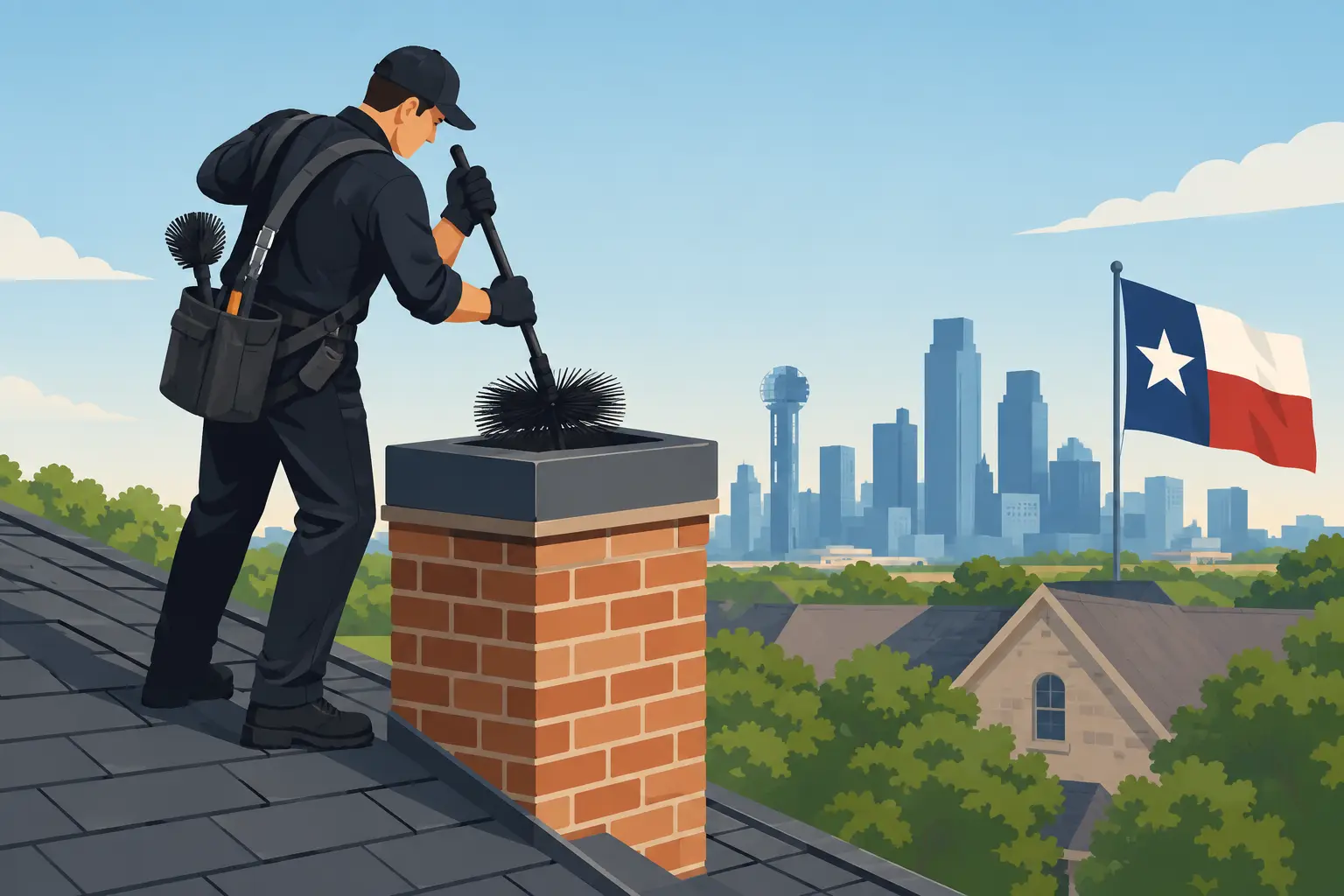
During cleaning, specialized brushes, vacuums, and inspection tools remove soot, creosote, and debris from the flue and firebox. A professional should also look for conditions that affect safe operation, such as obstructions, liner damage, cracked components, deteriorated masonry, and issues with the cap or damper.
A good service visit should leave you with clear information. If repairs or additional work are recommended, you should understand what was found, why it matters, and what can wait versus what should be handled promptly. Transparent recommendations are especially valuable because chimney systems are difficult for homeowners to inspect thoroughly on their own.
Why DIY Chimney Cleaning Has Limits
Removing ash from a cooled firebox is reasonable routine care. Cleaning the chimney flue yourself is different. The job can involve working on a roof, handling fine soot and creosote, and evaluating parts of the system that are difficult to see. A homeowner may remove some surface debris while missing a damaged liner, blocked flue, or structural concern.
DIY chimney-cleaning kits can be tempting, particularly for homeowners who use their fireplace only occasionally. The trade-off is that the equipment and process may not provide the same level of cleaning, containment, or inspection as a trained technician using professional tools. Climbing onto a steep roof or leaning over a chimney also introduces a real fall risk.
For most households, the safer approach is simple: handle basic ash removal after the fireplace has fully cooled, burn only dry, appropriate fuel, and let a professional perform the inspection and deeper cleaning. That combination helps preserve both safety and convenience.
Getting More From a Clean Fireplace
A clean chimney supports better fireplace performance, but daily habits still matter. Always make sure the damper is fully open before lighting a wood fire. Use seasoned firewood, avoid burning trash or treated lumber, and keep combustible items well away from the hearth. Screens or glass doors should be used according to the fireplace design to help contain sparks.
Carbon monoxide and smoke alarms are equally important. Place and maintain them according to manufacturer guidance and local requirements, and test them regularly. These devices are not substitutes for chimney maintenance, but they provide an essential layer of protection if a venting or combustion problem develops.
If your fireplace has not been inspected in more than a year, if you recently moved into a home with an existing chimney, or if you notice any change in performance, schedule service before lighting the next fire. On Time Home Experts helps homeowners address chimney and fireplace cleaning with trained professionals, clear communication, and efficient service.
A well-maintained fireplace should make a cool Texas evening more comfortable, not give you another home maintenance worry. Taking care of the chimney before the season changes lets you enjoy the warmth with greater confidence.