

Your upstairs should not feel like a different climate zone from the rest of your house. If it is hard to keep bedrooms comfortable, your AC runs constantly, or energy bills climb without a clear reason, you may be wondering how to know attic insulation is still doing its job. For Texas homeowners, insulation is not just a winter concern. It is a major barrier between your living space and intense attic heat.
Attic insulation can settle, shift, become contaminated, or lose effectiveness over time. The problem is often hidden above the ceiling, but the effects show up throughout the home. Recognizing the warning signs early can improve comfort, help manage energy costs, and protect your home from moisture-related damage.
How to Know Attic Insulation Is Working
A well-insulated attic helps maintain a more stable indoor temperature. On a hot Dallas-Fort Worth afternoon, the attic itself may become extremely hot, but that heat should not quickly transfer into your bedrooms, hallways, and living areas.
One easy test is to pay attention to temperature differences. Your second floor may naturally run slightly warmer than the first floor, especially in a two-story home, but the difference should not be dramatic. If you find yourself lowering the thermostat just to make the upstairs tolerable, inadequate insulation, air leaks, or HVAC issues may be involved.
Your energy use also provides useful clues. A seasonal increase in cooling costs is normal in Texas. A sudden or ongoing rise that does not match your household habits deserves a closer look. When insulation is too thin or uneven, conditioned air escapes more easily and your HVAC system has to work longer to compensate.
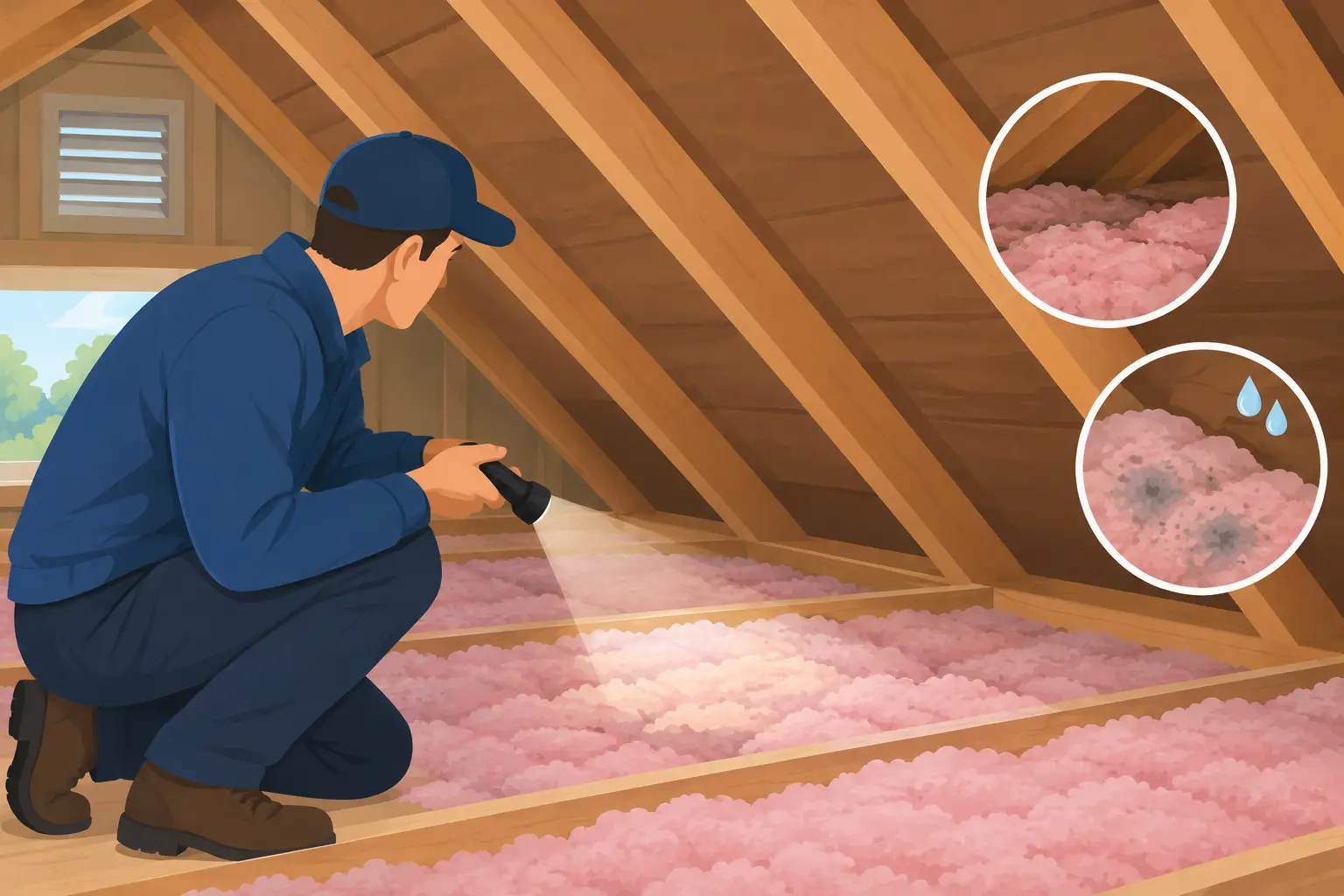
Comfort is not the only measure. Proper attic insulation should be dry, reasonably even, and free from obvious contamination. If insulation looks matted down, has damp spots, carries a musty odor, or contains visible pest activity, it needs professional attention even if your home still feels comfortable.
Signs Your Attic Insulation May Need Replacement or Upgrading
You do not need to walk through your attic every month. Still, a careful visual check once or twice a year can reveal issues before they become expensive repairs. Use a stable ladder, watch your footing, and step only on joists or designated walk boards. Attics can be hot, poorly lit, and unsafe to navigate without care.
The following signs are common reasons to schedule an insulation assessment:
- Uneven indoor temperatures: Rooms near the attic, especially upstairs bedrooms, stay hot in summer or feel chilly during cold snaps.
- High or rising utility bills: Your system runs longer than expected, even after routine HVAC maintenance and thermostat adjustments.
- Thin, settled, or patchy insulation: Loose-fill material may settle over time, leaving areas with reduced coverage. Batts can shift, compress, or leave gaps around framing.
- Moisture, stains, or musty odors: Damp insulation loses performance and can point to roof leaks, plumbing leaks, condensation, or ventilation problems.
- Pest or rodent evidence: Droppings, nesting material, tunnels, and damaged insulation can affect air quality and may require removal rather than simple topping off.
- Insulation around recessed lights or attic openings that looks unsafe: Older homes may have clearance, wiring, or fixture concerns that should be evaluated before new insulation is added.
A single sign does not automatically mean your entire attic needs to be stripped and replaced. Sometimes the right solution is air sealing and adding material to improve coverage. Other times, damaged or contaminated insulation should be removed first. The condition of the existing insulation matters as much as its depth.
Check Insulation Depth, but Do Not Rely on Depth Alone
Many Texas homes use blown-in fiberglass or cellulose insulation, while others have fiberglass batts. The recommended amount depends on the material, its R-value, the home’s construction, and local climate considerations. R-value measures resistance to heat flow. Higher values generally provide greater insulating performance, but installation quality is equally important.
A quick depth check can be helpful if you can safely access the attic. Look for rulers, depth markers, or attic cards installed near the access opening. If no markers are present, a professional can measure coverage and determine whether it is consistent across the attic floor.
Do not assume a thick-looking layer is effective. Insulation that is wet, compressed, contaminated, or poorly distributed will not perform as intended. Likewise, filling an attic with more insulation without addressing air leaks can leave comfort problems unresolved. Gaps around attic hatches, wiring penetrations, plumbing stacks, and duct openings can allow conditioned air to escape into the attic.
Why Ventilation and Insulation Must Work Together
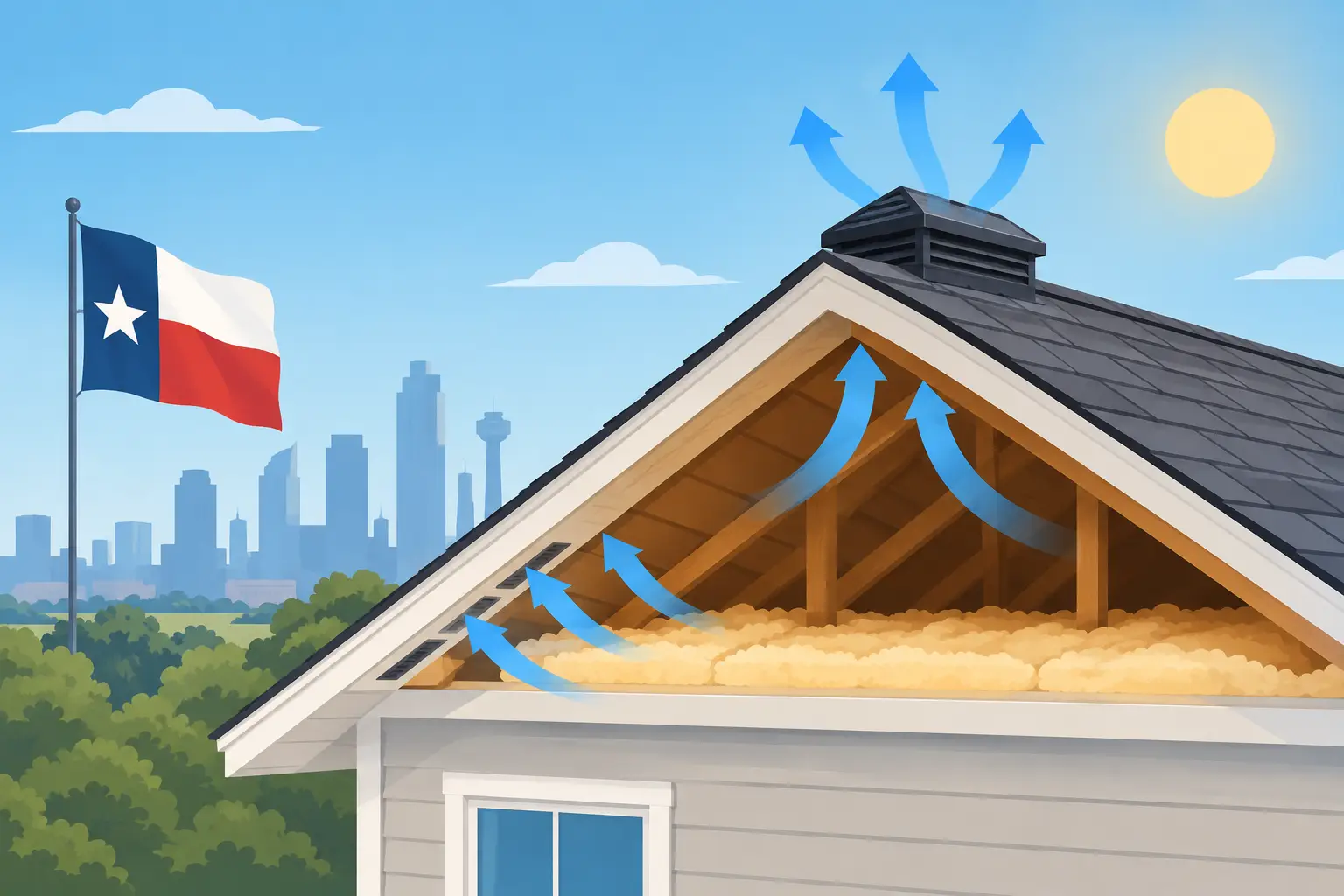
Insulation and attic ventilation serve different jobs, and both affect home performance. Insulation slows heat transfer between the attic and living space. Ventilation helps manage heat and moisture in the attic itself.
A hot attic in summer is normal. However, trapped moisture is not. If bathroom exhaust fans vent into the attic, roof leaks go unnoticed, or intake and exhaust ventilation are blocked, moisture can accumulate. That may lead to damp insulation, wood staining, mold growth, and shortened roof component life.
Adding insulation over blocked soffit vents can also restrict needed airflow. This is why attic work should not be treated as a simple material drop-off. A proper assessment considers insulation levels, ventilation pathways, air sealing opportunities, duct condition, and signs of moisture or pest damage.
For homes with ductwork in the attic, this is especially important. Leaky or poorly insulated ducts can waste cooled air before it reaches the rooms that need it. Homeowners may blame the insulation alone when the actual issue is a combination of duct leakage, insufficient insulation, and attic heat.
When to Call a Professional
A homeowner can spot obvious gaps or damage, but an experienced technician can identify problems that are easy to miss. Professional attic evaluations are especially valuable after a roof leak, pest infestation, water event, remodeling project, or unexplained change in energy use.
Call for help if you see wet insulation, suspected mold, rodent droppings, exposed wiring, damaged ductwork, or staining on attic framing. Avoid disturbing potentially contaminated insulation. Moving it around can spread dust, allergens, and pest-related debris into the air.
A trained team can determine whether your attic needs targeted repairs, additional insulation, removal and replacement, ventilation improvements, or a broader home-efficiency plan. At On Time Home Experts, the focus is on helping homeowners understand the condition of their attic and choose practical solutions with clear recommendations and no unnecessary complexity.
Small Habits That Help Insulation Last Longer
Protecting attic insulation starts with protecting the attic from the issues that damage it. Address roof leaks promptly, keep bathroom fans vented outdoors, and make sure attic access panels close securely. If you store items in the attic, avoid compressing insulation beneath boxes or walking across unprotected areas.
It also helps to stay alert after major storms. Texas weather can expose minor roof weaknesses quickly, and even a small leak can saturate insulation before it becomes visible on the ceiling below. A quick inspection after repairs or severe weather can prevent a minor issue from turning into a larger cleanup.
Your attic does not need to be a mystery. When rooms feel uneven, energy bills stop making sense, or insulation shows signs of damage, a professional assessment can give you a clear path forward and a more comfortable home through every Texas season.