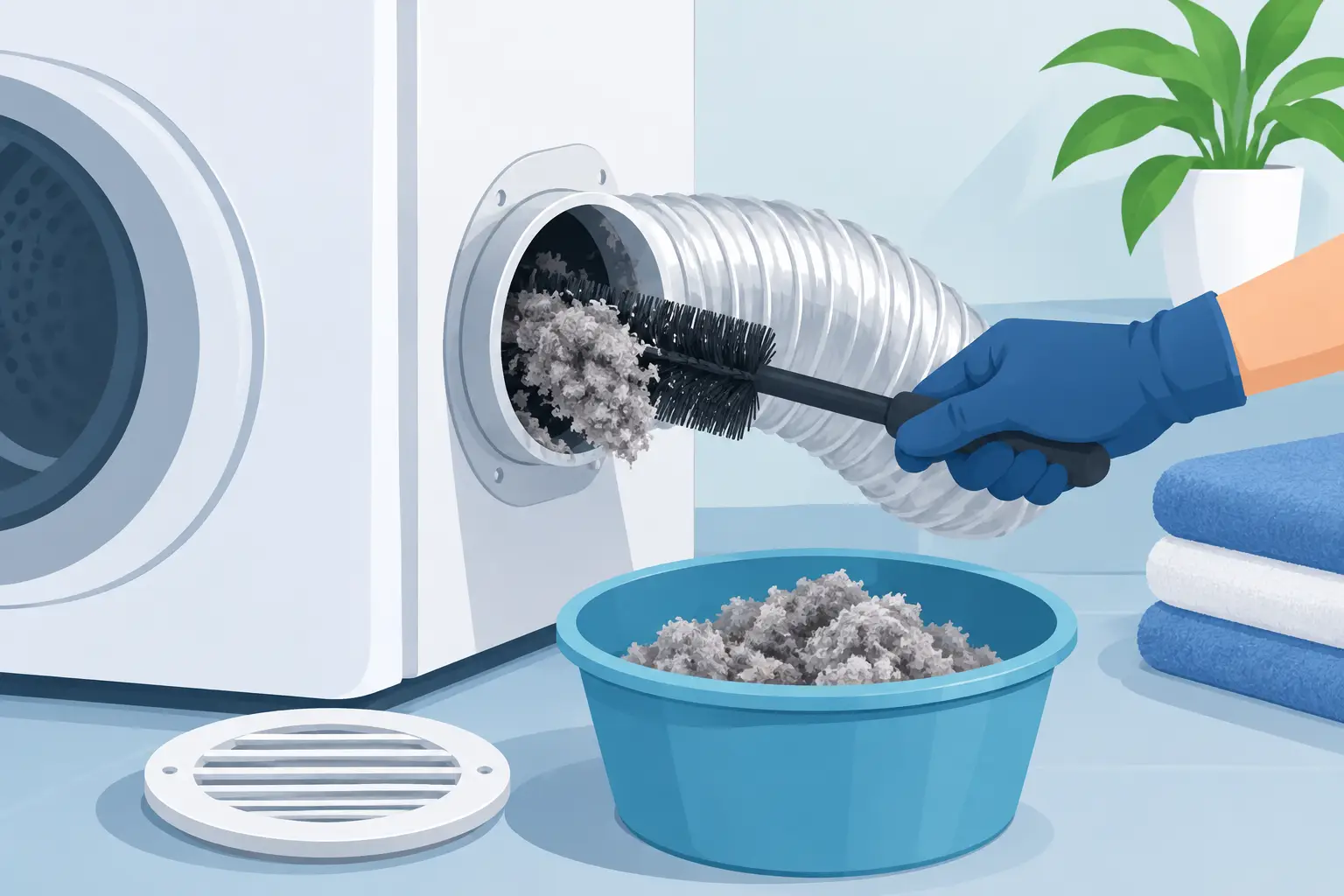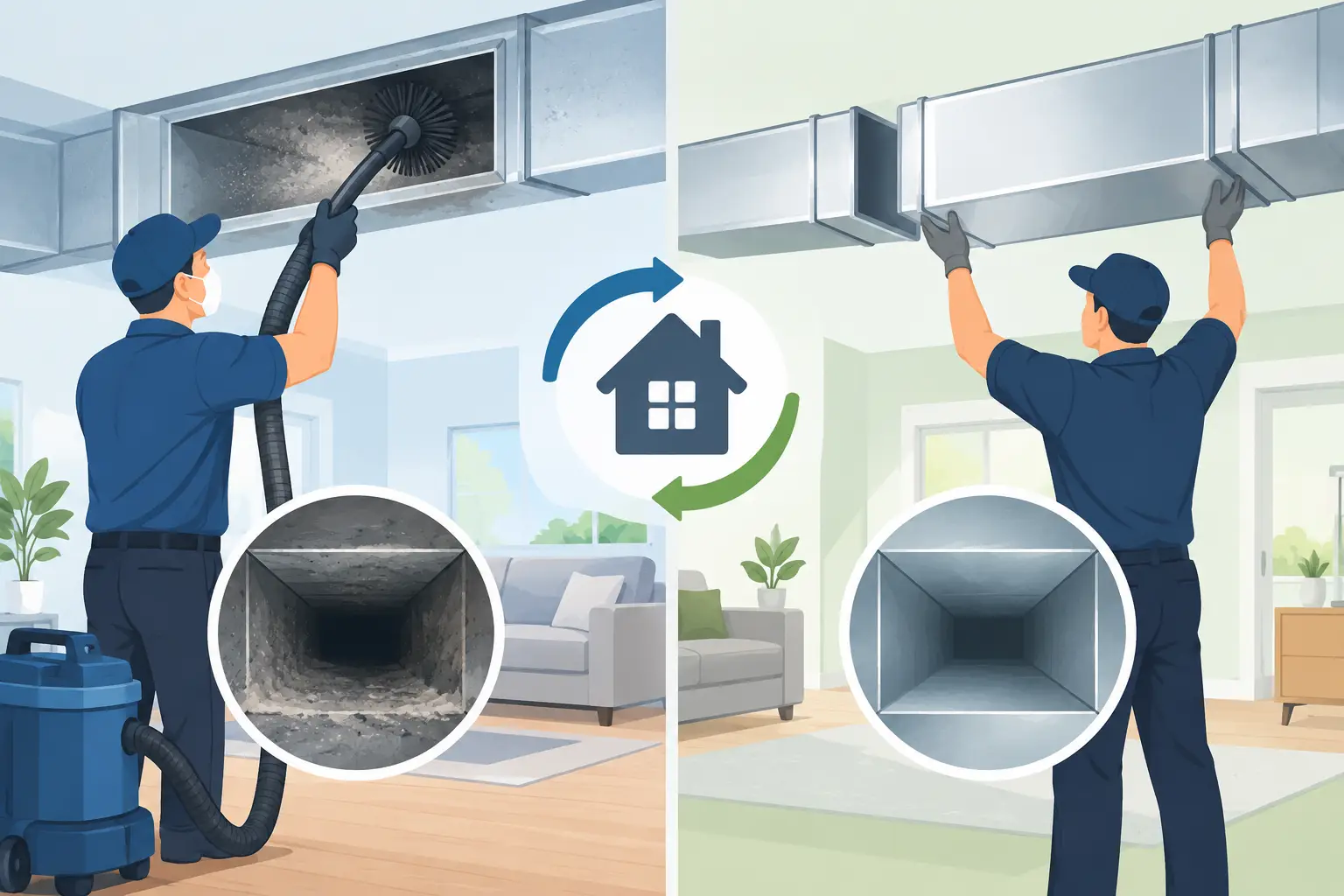






A cool Dallas-Fort Worth afternoon should not leave your upstairs bedrooms stuffy while the thermostat keeps calling for more air. When your HVAC system seems to run longer but certain rooms never feel comfortable, the problem may not be the equipment itself. It may be one of several duct leak signs hiding in the attic, crawlspace, garage, or behind finished walls.
Your ductwork carries heated and cooled air from the HVAC system to every room in your home. If joints separate, flexible ducts tear, or old connections lose their seal, conditioned air can escape before it reaches the living areas. Outside air, attic dust, insulation fibers, and humidity may also be pulled into the system through gaps. That can affect comfort, indoor air quality, and monthly utility costs.
Why Duct Leaks Matter in Texas Homes
Duct leaks are easy to overlook because most ductwork is out of sight. Yet they can place a surprising burden on a home, especially during the long cooling season in North Texas. An air conditioner may keep running to make up for air lost in a hot attic, while rooms near the end of a duct run receive too little airflow.
The result is not always obvious. Some homeowners assume uneven temperatures mean they need a larger HVAC system. Others turn the thermostat lower, close vents, or use portable fans. Those changes may provide temporary relief, but they do not address air that is escaping before it can do its job.
Leaks can also draw unconditioned air and contaminants into return ducts. In an attic, that may mean dusty air, insulation particles, or odors entering the system. In areas with elevated humidity, unwanted moisture can make the home feel clammy and add stress to cooling equipment.
9 Duct Leak Signs to Watch For
One symptom alone does not prove you have leaking ductwork. A dirty filter, undersized system, insulation issue, thermostat problem, or aging equipment can create similar complaints. But when several of these duct leak signs appear together, a professional inspection is a smart next step.
1. Rooms That Stay Too Hot or Too Cold
A bedroom that is consistently warmer than the rest of the house in summer, or colder in winter, is one of the most familiar warning signs. Leaks can reduce the amount of conditioned air reaching that room. This is especially common in rooms farthest from the air handler, additions, bonus rooms, and second-story spaces.
Sun exposure and poor attic insulation can also contribute to uneven temperatures. A trained technician can help determine whether the issue is airflow, duct leakage, insulation, or a combination of problems.
2. Higher Energy Bills Without a Clear Reason
Seasonal changes in utility bills are normal in Texas. A sudden increase that does not match your household habits, however, deserves attention. When ducts leak, your HVAC system has to run longer to replace the cooled or heated air that never reaches your rooms.
Compare bills from the same time last year if possible. If your thermostat settings are similar but energy use has climbed, duct performance should be part of the conversation.
3. Weak Airflow From Certain Vents
Place your hand near supply vents throughout the home while the system is running. If some vents deliver noticeably weaker airflow than others, there could be a disconnected duct, crushed flexible duct, blockage, or leak along the line.
Do not close multiple vents to force air into another room. Modern residential HVAC systems are designed for balanced airflow, and closing vents can raise pressure in the ducts and potentially make existing leaks worse.
4. Dust Builds Up Quickly After Cleaning
A home will always collect some dust, particularly during a dry Texas summer or high-pollen season. But if you dust frequently and see buildup again within days, leaking return ducts may be pulling dusty attic or crawlspace air into the HVAC system.
Dirty ducts are not the only possible cause. Worn filters, gaps around return grilles, pets, renovations, and outdoor air entering through doors or windows can all add to dust levels. The key is identifying where the dust is coming from rather than simply cleaning it more often.
5. Musty, Stale, or Attic-Like Odors
Your home should not smell like the attic when the air conditioner starts. Leaky return ducts can pull odors from unconditioned spaces into the air stream and distribute them through the house. You may notice a stale, dusty, or musty smell most strongly when the system first turns on.
Odors can also point to moisture concerns, a dirty evaporator coil, drainage issues, or other HVAC maintenance needs. Persistent musty odors should be evaluated promptly, particularly if anyone in the home has allergies or respiratory sensitivities.
6. Excess Humidity and a Clammy Feeling
Your air conditioner helps remove moisture as it cools. If your home feels sticky even when the temperature is set correctly, duct leaks may be allowing warm, humid outdoor air into the system or living space.
Humidity problems are not always caused by ductwork. An oversized AC, poor insulation, air leaks around the home, and equipment issues may be involved. Still, checking ducts is worthwhile because leaks can undermine the system’s ability to maintain comfortable indoor conditions.
7. Noisy Ducts or New Whistling Sounds
A faint rush of air is normal. Loud whistling, rattling, banging, or a noticeable hissing sound is not something to ignore. Air escaping through a gap can whistle, while loose duct connections can vibrate when the system cycles on.
Listen near accessible ductwork in the attic or garage only if it is safe to do so. Avoid stepping on ceiling joists, moving insulation unnecessarily, or trying to tape a damaged duct from an awkward position. A small mistake in an attic can become a ceiling repair or a personal safety hazard.
8. Insulation or Dust Around Duct Connections
If you can safely see exposed ductwork, look for obvious signs such as detached sections, sagging flexible ducts, torn insulation jackets, or dust streaks around seams. Dust collecting near a joint can indicate air movement through a gap.
This is a visual clue, not a complete diagnosis. Many of the most consequential leaks occur at hidden connections, near plenums, or inside wall and ceiling cavities. Professional testing is more reliable than judging the full condition of a duct system by one visible area.
9. Your HVAC System Runs Longer Than It Used To
Long cycles during extreme heat are expected, especially during a North Texas heat wave. But if the system runs nearly nonstop on mild days, struggles to recover after normal thermostat adjustments, or seems to work harder every month, air loss may be contributing.
An aging system, low refrigerant, a clogged filter, dirty coils, or incorrect equipment sizing can create similar symptoms. The goal is not to assume the worst. It is to inspect the whole system and correct the source of the inefficiency.
What a Professional Duct Inspection Can Reveal
A proper duct inspection goes beyond a quick look at visible lines. A trained technician can examine accessible ducts, connections, returns, registers, insulation condition, airflow concerns, and signs of contamination or damage. Depending on the home and the symptoms, testing may help locate pressure losses that are not visible from the attic entrance.
The right repair depends on the issue. Small gaps at accessible joints may be sealed, while damaged, collapsed, poorly supported, or disconnected sections may need repair or replacement. In older homes, duct insulation may also need attention if hot attic conditions are affecting the temperature of the air inside the ducts.
Be cautious about quick fixes. Standard cloth-backed duct tape is not a lasting solution for most duct repairs, despite its name. Professional-grade sealants, mastic, approved tapes, and proper mechanical connections are designed to hold up better under temperature changes and air pressure.
When to Schedule Service
Call for an inspection when you notice multiple signs, such as high bills along with weak airflow and uneven rooms. It is also wise to have ductwork checked after roof work, pest activity, water damage, a major renovation, or any time someone has been in the attic and may have disturbed flexible duct lines.
For homeowners who want a clearer picture of their home’s comfort and air quality, On Time Home Experts can assess accessible duct concerns and recommend practical next steps with straightforward service. Addressing leaks early can help protect comfort, reduce wasted energy, and keep your HVAC system from working harder than it should.
If one room never feels right, do not keep adjusting the thermostat and hoping the problem disappears. A careful inspection can turn a frustrating comfort issue into a targeted repair plan for a cleaner, more efficient home.