




The first cool evening in North Texas is not the time to learn that your fireplace is not ready. If smoke drifts into the room, the damper sticks, or a gas fireplace will not ignite, a relaxing fire can quickly become a safety concern. This fireplace maintenance guide for homeowners explains what to watch for, what you can handle safely, and when it is time to call a trained professional.
A fireplace is more than a seasonal feature. Whether you burn wood or use natural gas, it connects directly to your home’s ventilation, indoor air quality, and fire safety. Regular care helps prevent avoidable damage, reduces the chance of smoke and carbon monoxide entering the home, and helps your system operate as intended when temperatures drop.
Start With a Yearly Fireplace Inspection
Every fireplace and chimney should receive a professional inspection before the heating season, especially if it has not been used since last winter. This is not just about removing soot. A proper inspection can identify creosote buildup, cracks in the flue liner, loose masonry, damaged chimney caps, nesting materials, and ventilation problems that are easy to miss from the living room.
For wood-burning fireplaces, creosote is a primary concern. It is a dark, flammable residue that forms when smoke cools inside the chimney. Burning wet wood, restricting airflow, and using the fireplace frequently can increase buildup. Even a fireplace that appears clean at the firebox can have dangerous deposits farther up the flue.
Gas fireplaces need inspections too. They may produce less soot than wood-burning systems, but their burners, ignition components, gas connections, venting, and logs still need attention. A yellow, lazy flame, delayed ignition, unusual odors, or dark marks around the fireplace are all reasons to stop using the unit until it has been checked.
Know the Warning Signs Before You Light a Fire
A fireplace usually gives homeowners clues when something is wrong. Paying attention early can prevent a small maintenance issue from becoming a costly repair or a serious safety risk.
Watch for these signs:
- Smoke enters the room instead of rising up the chimney.
- You smell strong soot, mustiness, or gas near the fireplace.
- The damper is difficult to open, close, or fully seal.
- Bricks, mortar, or the firebox liner are cracked, loose, or crumbling.
- Water stains appear near the chimney, ceiling, or fireplace surround.
- Animals, leaves, or debris are visible in the chimney opening.
Smoke problems can have more than one cause. The damper may be closed, the flue may be blocked, or the chimney may be cold enough to interrupt draft at startup. In some homes, exhaust fans, tightly sealed windows, or other ventilation equipment can also affect how a fireplace drafts. If smoke repeatedly enters your home, do not assume it is normal or try to solve it by simply opening a window. Have the system evaluated.
Maintain the Firebox Between Professional Cleanings
Homeowners can perform a few simple tasks throughout the season without taking unnecessary risks. Always wait until the fireplace is completely cool before touching ashes, screens, grates, or logs.
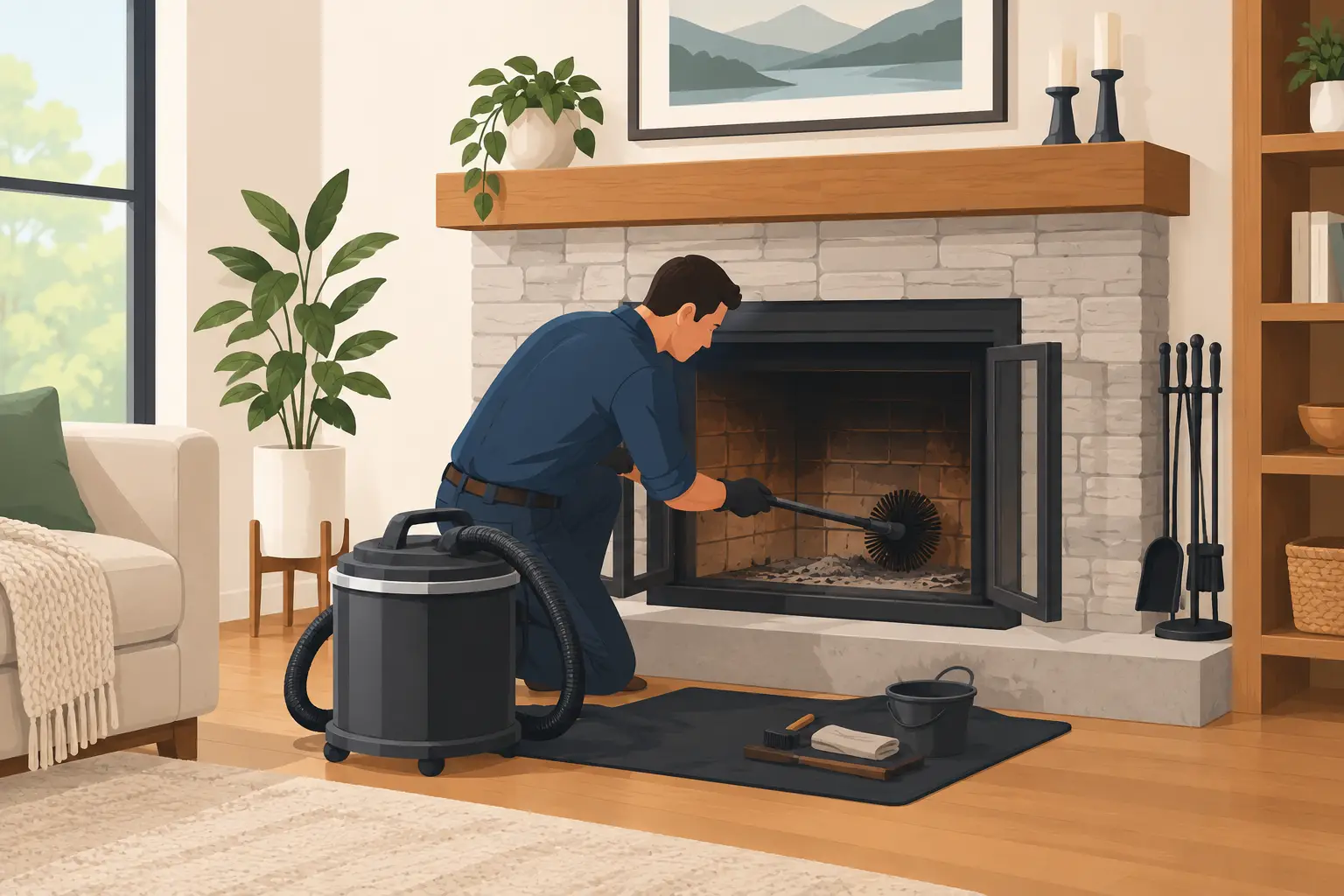
For a wood-burning fireplace, remove excess ash as it accumulates, but do not scrub the firebox after every fire. A thin layer of ash can help insulate the firebox floor. Use a metal shovel and place cooled ashes in a metal container with a tight-fitting lid. Ashes can hold heat much longer than expected, so keep the container outdoors on a noncombustible surface and away from the house, garage, deck, and trash bins.
Check the fireplace screen or glass doors for damage, and make sure the grate is stable. A damaged screen can allow sparks to reach flooring or furniture. Keep rugs, blankets, holiday decorations, firewood, and furniture well away from the hearth. The area in front of a fireplace should stay clear every time it is in use.
For a gas fireplace, clean the glass only with products approved for fireplace glass and follow the manufacturer’s instructions. Do not rearrange ceramic logs, poke burner ports, or use household cleaners inside the firebox. Those small changes can affect flame patterns and create performance issues.
Use the Right Fuel and the Right Fire-Building Habits
The way you use a fireplace has a direct effect on how much residue enters the chimney. For wood-burning systems, use dry, seasoned firewood. Wood that has been properly dried burns hotter and cleaner than freshly cut or damp wood. Wet wood creates more smoke, more creosote, and less heat for your home.
Avoid burning treated lumber, painted wood, cardboard with glossy coatings, trash, or construction scraps. These materials can release harmful chemicals, create excessive soot, and damage the chimney system. Never use gasoline, lighter fluid, or other flammable liquids to start a fire.
Open the damper fully before lighting the fire, then confirm that smoke is drawing upward. Build smaller, hotter fires instead of overloading the firebox with large logs. A roaring fire may look impressive, but excessive heat can stress fireplace components and increase the risk of sparks or chimney damage.
When you are finished, let the fire burn down naturally. Do not close the damper while embers are still active, since doing so can push smoke and combustion gases back into the home.
Protect the Chimney From Texas Weather and Wildlife
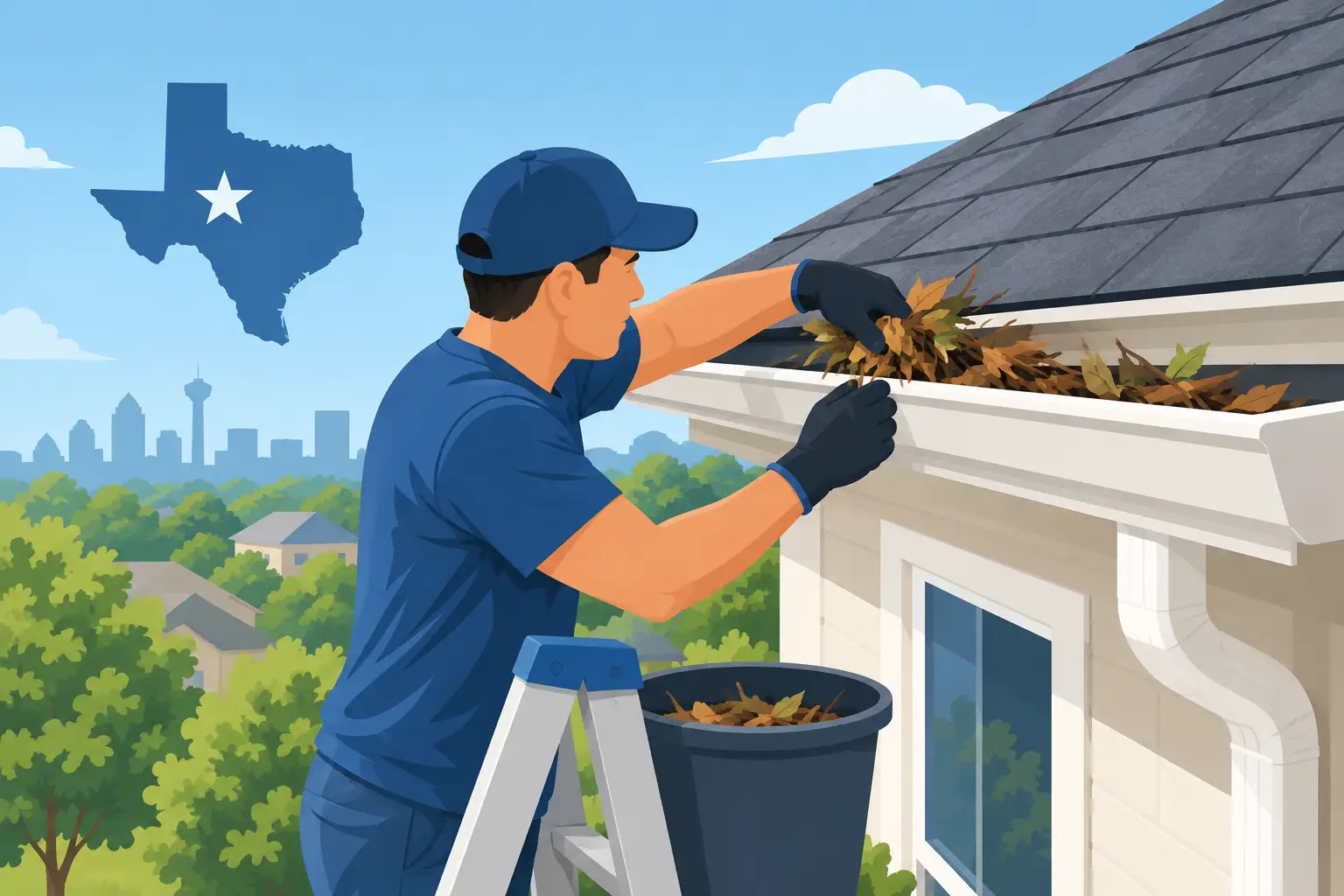
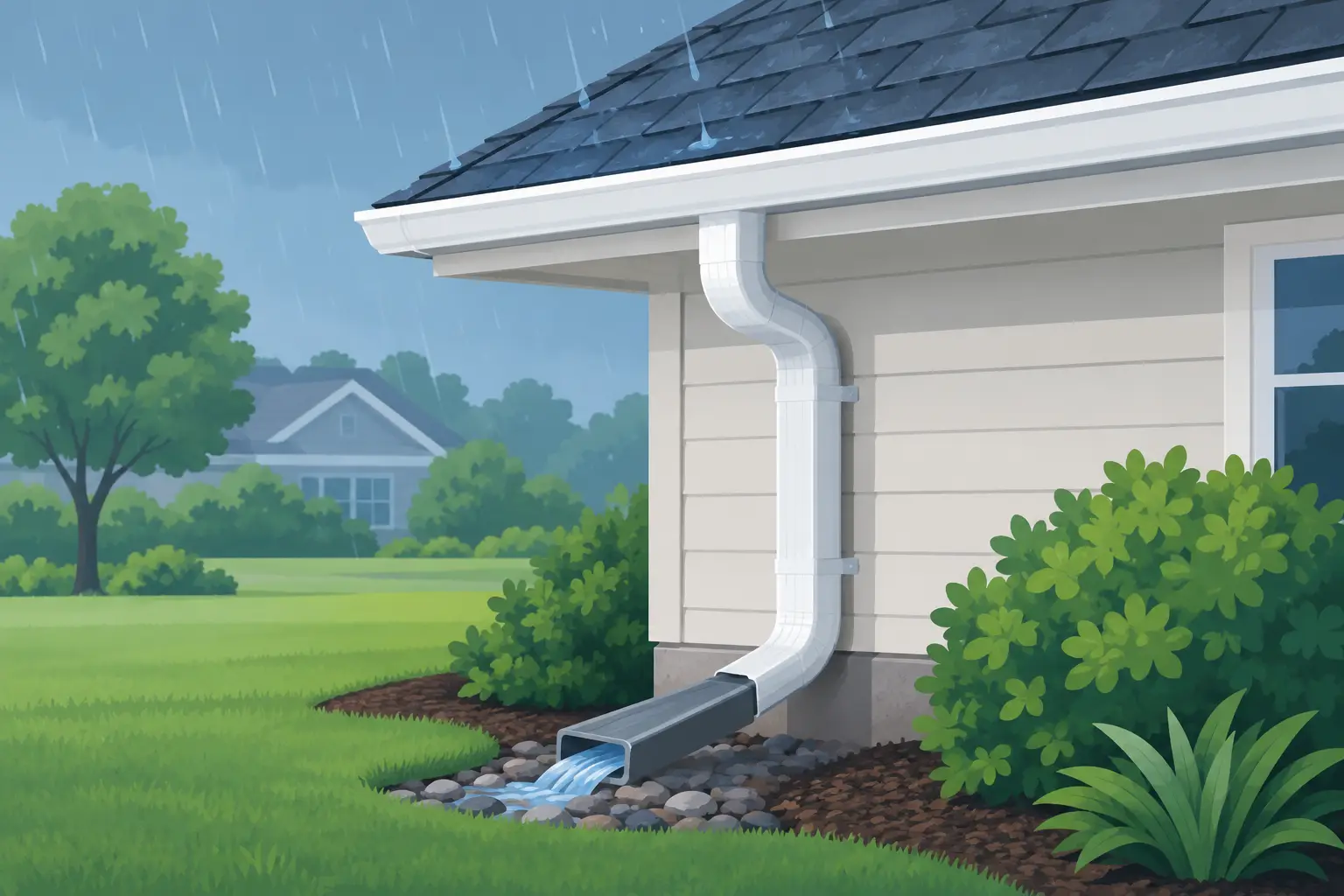
Texas weather can be tough on chimneys. Heavy rain, wind, heat, and sudden temperature changes can wear down mortar, flashing, chimney crowns, and caps. Even a small opening at the top of the chimney can allow water into the flue or attic area, where it may contribute to staining, deterioration, mold concerns, or structural damage.
From the ground, look for obvious signs such as a leaning chimney cap, missing mortar, rust, damaged flashing, or vegetation growing near the structure. Do not climb onto the roof to inspect it yourself. Chimney damage is often difficult to see safely, and walking on a roof adds unnecessary risk.
A properly fitted chimney cap helps keep out rain, leaves, birds, squirrels, and other animals. If you hear scratching, chirping, or movement inside the chimney, do not light a fire to force animals out. A blocked flue can send smoke and carbon monoxide into the house. Professional removal and inspection are the safer choice.
Make Carbon Monoxide Safety Part of Fireplace Care
Carbon monoxide has no color or odor, and it can be produced when fuel does not burn or vent correctly. Every home with a fireplace should have working carbon monoxide alarms, especially near sleeping areas and on each level of the home. Test alarms regularly and replace batteries according to the manufacturer’s directions.
If a carbon monoxide alarm sounds, leave the home immediately and call emergency services from a safe location. Do not reenter simply to open windows or turn off the fireplace. Once the immediate danger has been addressed, have the fireplace and related venting inspected before using them again.
Also pay attention to family symptoms. Headaches, dizziness, nausea, confusion, and unusual fatigue can have many causes, but they should never be ignored around fuel-burning appliances. Turn off the fireplace, get fresh air, and seek help right away.
When DIY Stops and Professional Service Begins
Basic cleaning around the hearth is reasonable for most homeowners. Cleaning inside the chimney, repairing masonry, servicing gas components, and diagnosing draft problems are different jobs. They require proper tools, training, and a clear understanding of how the fireplace, flue, and home ventilation system work together.
Professional fireplace and chimney service is particularly worthwhile if you recently moved into a home, cannot remember the last inspection, experienced a chimney fire, noticed water damage, or plan to use the fireplace after a long period of inactivity. It is also smart to schedule service after major storms or roof work that may have affected the chimney structure.
At On Time Home Experts, trained technicians help homeowners address chimney and fireplace cleaning with a focus on cleaner indoor air, dependable ventilation, and straightforward service. The goal is not to create unnecessary repairs. It is to identify real safety concerns and help your fireplace remain a comfortable part of your home.
A well-maintained fireplace should give your family warmth, not uncertainty. Schedule care before the first cold front arrives, keep the hearth clear, and treat unfamiliar odors, smoke, and performance changes as signals worth checking.