

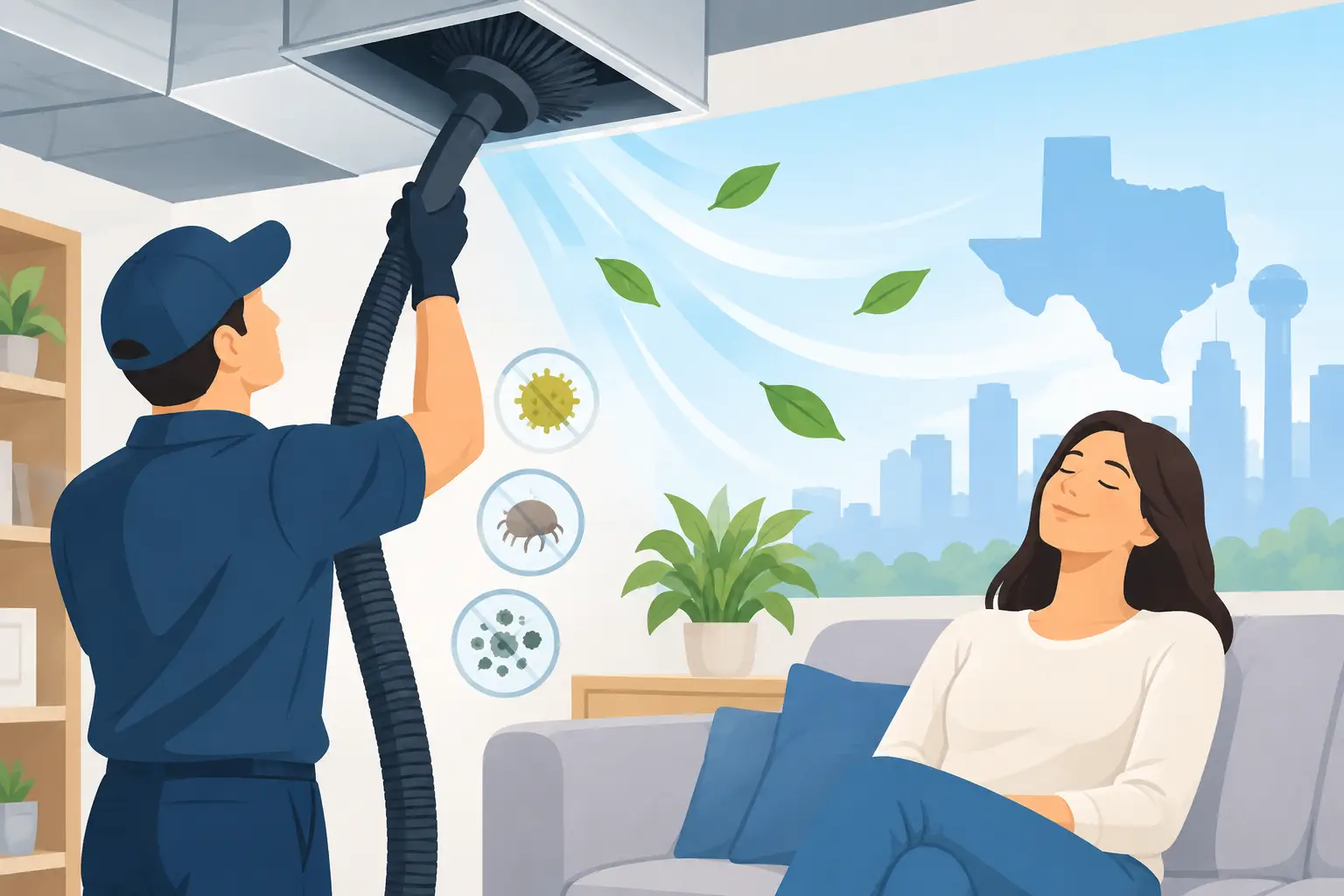
If allergy symptoms get worse after you have been inside all afternoon, your home deserves a closer look. Duct cleaning allergy relief can be part of the answer when dust, pet dander, pollen, or other debris has built up in a forced-air HVAC system. But it is not a cure-all. The best results come from identifying what is actually affecting your indoor air, then addressing the right sources with professional care.
For Dallas-Fort Worth homeowners, this matters for much of the year. Texas pollen seasons can feel relentless, summer heat keeps air conditioners running for long stretches, and open doors, pets, construction dust, and daily life all bring particles indoors. Your HVAC system moves air from room to room, so a neglected system can keep recirculating some of that buildup.
When Duct Cleaning Allergy Relief Can Make a Difference
Air ducts are not supposed to be spotless, and a light layer of ordinary household dust does not automatically mean your family is breathing unhealthy air. Still, cleaning may be worthwhile when there is visible debris around supply vents, dust returns quickly after cleaning, or a recent renovation has left fine particles throughout the home.
It can also help after water damage, a pest issue, heavy smoke exposure, or a long period without HVAC maintenance. Homes with shedding pets, multiple occupants, carpeting, or frequent door traffic may collect more airborne material than a lightly used household. If you see suspected mold growth, smell a persistent musty odor when the system runs, or find signs of rodents or insects in the ductwork, do not treat the issue as routine dust. Those conditions require a professional inspection and, when necessary, targeted remediation.
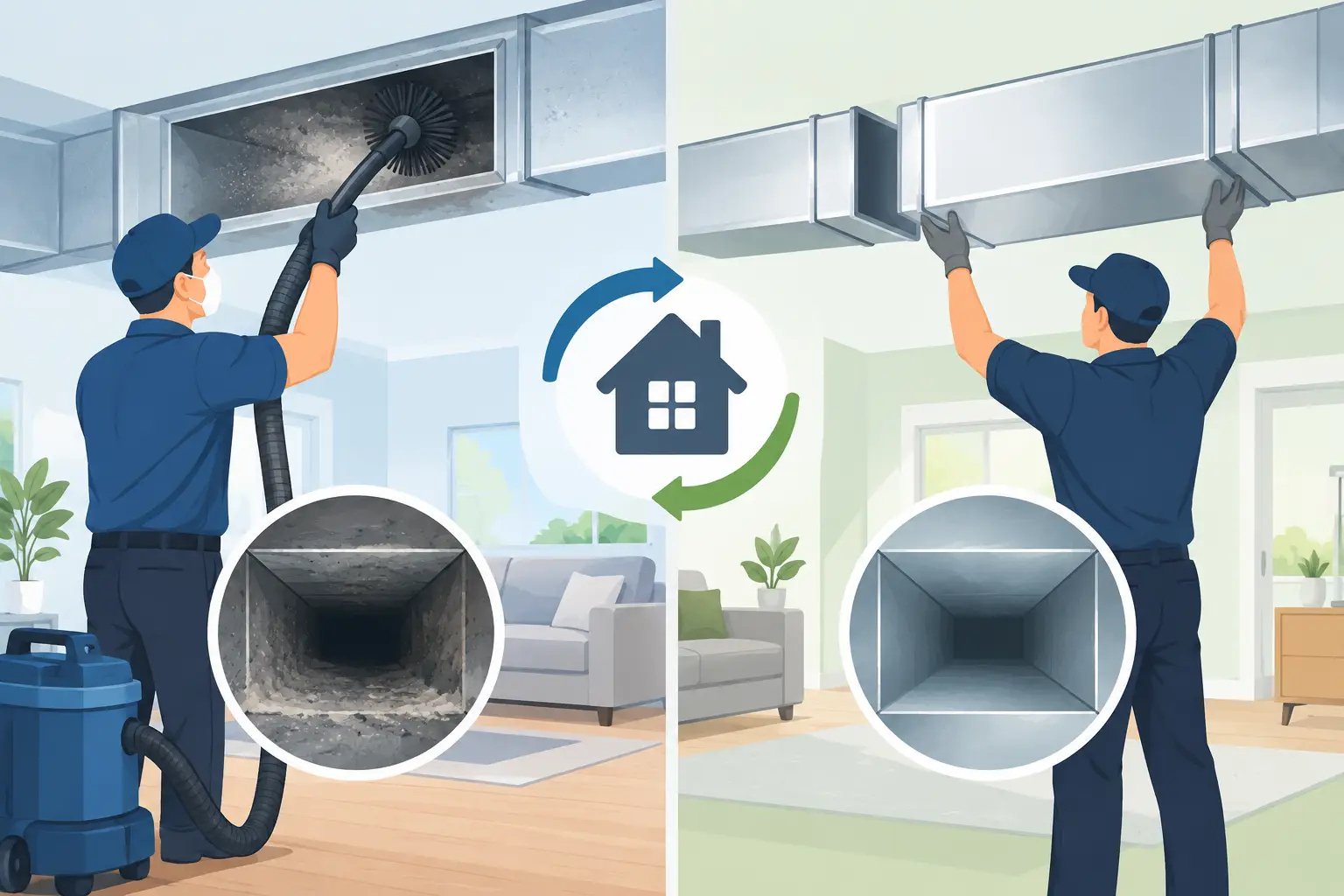
Duct cleaning allergy relief is most realistic when contaminants inside the system are contributing to the particles already present in your living space. Removing accumulated dust and debris from accessible ductwork, return areas, and key HVAC components can reduce one place where material gathers and gets disturbed by airflow.
The outcome depends on the source of your symptoms. Seasonal pollen entering through doors and windows, pet dander on furniture, dust mites in bedding, moisture problems, and outdoor air pollution will not disappear simply because the ducts are cleaned. A trustworthy provider should be clear about that rather than promising instant, permanent relief.
What Professional Duct Cleaning Should Include
A quality service begins with an assessment, not a one-size-fits-all sales pitch. A trained technician should examine accessible vents, returns, and portions of the duct system, then explain what they see and what work is recommended. You should know the scope before the job begins, including any concerns that may need separate attention.
Professional cleaning uses specialized equipment to loosen and capture debris, rather than blowing it deeper into the system or back into your home. The process typically addresses supply and return ducts, registers, grilles, and accessible system components. The exact approach varies with the layout and condition of your HVAC system.
Be cautious of unusually low advertised prices that turn into pressure for costly add-ons once a crew arrives. Your home may genuinely need additional work, particularly if there is damage, contamination, or restricted access. The difference is whether the technician can show you the concern, explain why it matters, and provide transparent pricing before proceeding.
A professional team should also protect floors and furnishings, treat your home with respect, and avoid making claims that cleaning will cure asthma, allergies, or other medical conditions. Those are medical issues with many possible triggers. The goal is cleaner system conditions and fewer avoidable particles moving through your home.
Avoid shortcuts that create new problems
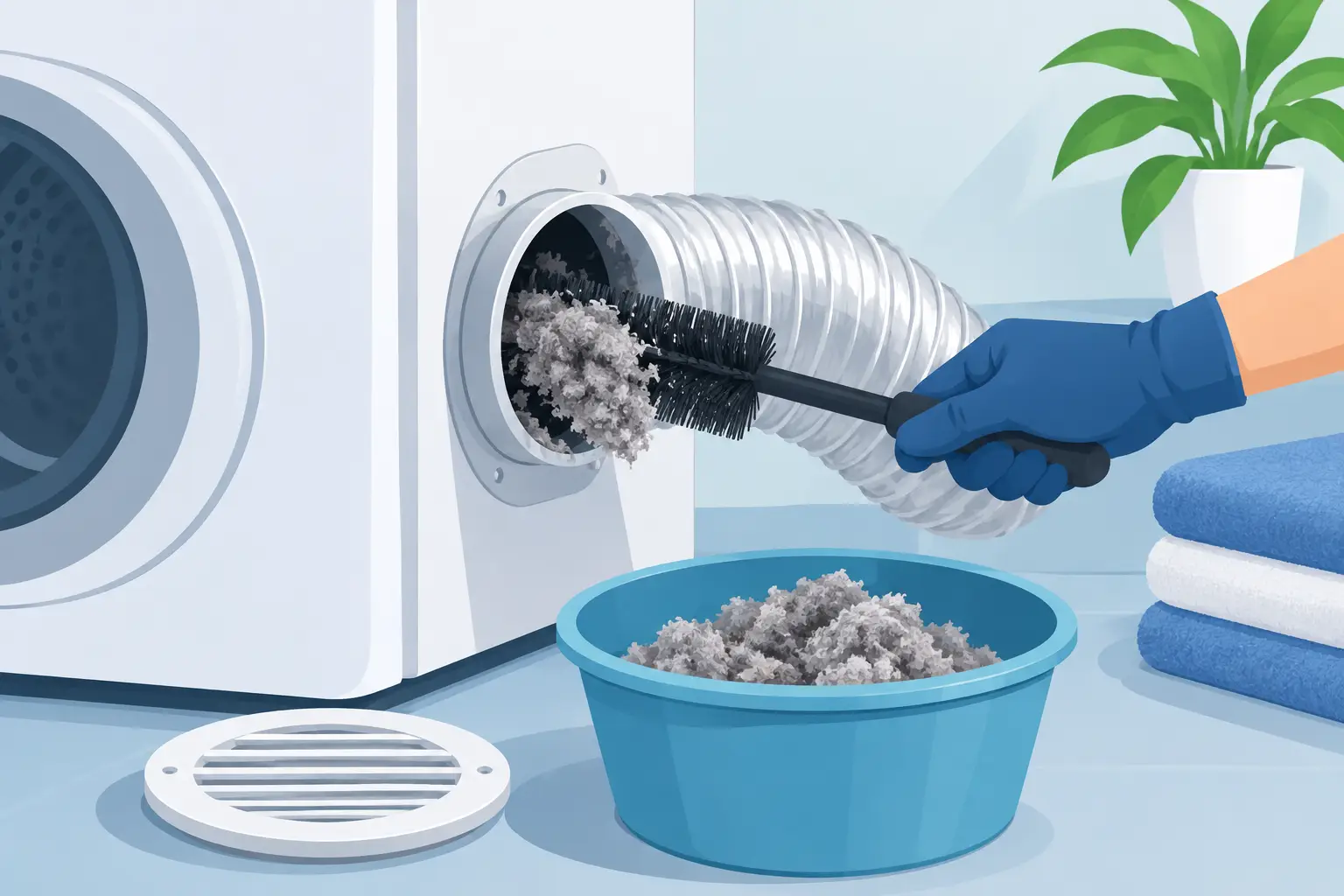
DIY vent cleaning can remove dust near a register, but it cannot thoroughly clean a full duct system. Household vacuums, brushes, and improvised tools may dislodge debris without capturing it. They can also damage flexible ducts, insulation, or connections if used incorrectly.
You should also be skeptical of routine chemical sprays, fragrances, or ozone treatments marketed as air-cleaning solutions. Strong scents can be irritating for sensitive family members, and chemicals should not be applied inside an HVAC system without a clear, specific reason. Cleaning physical buildup and correcting moisture or contamination sources is usually more useful than masking an odor.
The Other Steps That Support Allergy Relief
Clean ducts work best as part of a practical indoor-air plan. Start with your HVAC filter. A filter that is too dirty restricts airflow and allows more material to circulate. A filter with a very high rating may capture smaller particles, but it can also strain some systems if it is not compatible with the equipment. Follow the HVAC manufacturer guidance and ask a qualified technician which filter type and replacement schedule fit your system.
Keep supply and return vents unblocked by furniture, rugs, or storage. Good airflow helps your system perform as intended and makes it easier to spot dust accumulation or unusual odors. During high-pollen periods, keep windows closed when possible and change clothes or shower after prolonged time outdoors, especially before getting into bed.
For many families, bedroom habits matter as much as ducts. Wash sheets regularly in hot water when appropriate for the fabric, vacuum carpets and upholstered furniture with a high-quality vacuum, and reduce clutter that collects dust. If pets sleep on furniture or in bedrooms, frequent grooming and cleaning can reduce the dander that settles into fabrics and eventually enters return vents.
Humidity deserves attention, too. North Texas homes can face humid stretches, plumbing leaks, roof leaks, and condensation around poorly insulated surfaces. Moisture creates the conditions that can support mold growth and dust mites. If you notice water stains, damp drywall, a recurring musty smell, or condensation near vents, solve the moisture issue first. Cleaning without correcting the cause is a temporary fix.
How Often Should Texas Homeowners Clean Their Ducts?
There is no single schedule that works for every property. A well-maintained home with no pets, no recent renovation, and no visible duct contamination may not need frequent duct cleaning. On the other hand, households with allergies, pets, a recent move, new construction dust, water events, or heavy HVAC use may have a stronger reason to schedule an inspection sooner.
Pay attention to conditions instead of relying on a calendar alone. Persistent dust around vents, dirty return grilles, an unexplained drop in airflow, debris visible in accessible ducts, or allergy complaints that seem worse when the system starts are all reasonable reasons to investigate. Your HVAC system should also receive regular maintenance so filter issues, drainage problems, and equipment concerns are caught early.
For older homes, duct condition matters as much as cleanliness. Leaky or damaged ducts can pull dust from attics, crawlspaces, or wall cavities into the air stream. In that situation, sealing or repairing the ductwork may provide more meaningful improvement than cleaning alone. An honest recommendation should account for both issues.
Choosing a Duct Cleaning Company You Can Trust
Allowing a service team into your home requires confidence. Choose a company that communicates clearly, uses trained and insured technicians, and explains the work without scare tactics. Background-checked professionals, modern equipment, straightforward scheduling, and no hidden charges are not extras when the service involves the air your family breathes.
Ask what areas will be cleaned, how debris will be contained, whether the crew will inspect for unusual conditions, and what the final price includes. A reliable team will answer directly. They will also tell you when duct cleaning is unlikely to solve the problem and recommend the appropriate next step instead of pushing unnecessary work.
On Time Home Experts helps homeowners across the Dallas-Fort Worth area address duct buildup with professional, efficient service designed around cleaner indoor conditions and respectful in-home care. When ducts are part of the problem, the right equipment and experienced technicians make a real difference.
If your home feels dustier than it should, or allergy season seems to follow you indoors, start with a careful inspection rather than a guess. A clean, well-maintained HVAC system gives your family a healthier foundation for every other step you take at home.