





A damp, musty smell in an upstairs hallway or a sudden increase in allergy-like symptoms can lead homeowners to ask: can attic insulation get moldy? Yes, it can. Insulation itself is not always the food source for mold, but it can trap moisture, dust, and organic debris that allow mold to grow. Once moisture gets into an attic, the problem can spread beyond the insulation to roof decking, framing, ceilings, and the air moving through your home.
For Dallas-Fort Worth homeowners, attic moisture is not unusual. Hot, humid weather, heavy storms, roof leaks, and poorly managed ventilation can create the conditions mold needs. The good news is that finding the issue early can limit damage and help protect your home’s comfort, indoor air quality, and energy efficiency.
Why Attic Insulation Can Get Moldy
Mold needs moisture, a suitable surface, and time. Fiberglass insulation does not provide much food for mold on its own, but the dust and debris caught in its fibers can. Cellulose insulation is made from recycled paper products treated for fire resistance, yet it can still support mold growth after prolonged moisture exposure. Foam insulation is less likely to grow mold itself, although mold can grow on nearby wood, dust, or other materials.
The real problem is usually not the insulation type. It is the moisture source. An attic that stays wet or humid for long enough can develop mold in insulation, on the underside of the roof, around bathroom exhaust ducts, or near air leaks from the living space below.
A few common causes include a damaged roof, leaking flashing, clogged or failed gutters, and wind-driven rain entering through roof penetrations. Condensation is another frequent cause. Warm indoor air can escape through gaps around light fixtures, attic hatches, plumbing openings, and ductwork. When that moist air reaches a cooler attic surface, water can form.
Improperly vented bathroom fans are especially worth checking. A fan that ends in the attic instead of venting outdoors sends warm, humid air directly into an enclosed space. Dryer vents should never discharge into an attic either. Beyond moisture, they can introduce lint buildup and a serious fire risk.
Signs of Moldy Attic Insulation
You may not see the insulation from your living areas, but there are clues that deserve prompt attention. A roof leak does not always create an obvious ceiling stain right away, and mold can start beneath or behind insulation before it is visible.
Watch for these warning signs:
- A persistent musty or earthy odor, especially on the second floor or near attic access points
- Dark staining, white fuzzy-looking growth, or discolored patches on roof decking, rafters, or insulation
- Insulation that looks matted, compressed, damp, or unusually heavy
- Water stains on ceilings, peeling paint, or recurring moisture around vents and recessed lights
- Higher indoor humidity, uneven temperatures upstairs, or an unexplained rise in cooling costs
Not every dark spot is mold. Dust, old water stains, or staining from roof materials can look similar. Still, visible growth or damp insulation should be evaluated rather than ignored. Disturbing suspected mold can release particles into the air and make cleanup more difficult.
Can Moldy Insulation Be Saved?
It depends on the insulation material, the amount of contamination, and how long the material has been wet. Insulation that has been soaked by a roof leak, floodwater, or ongoing condensation often needs to be removed and replaced. Wet fiberglass can lose its loft and insulating value. Wet cellulose can clump, settle, and retain moisture deep in the material, making complete drying difficult.
Small areas of surface mold near an isolated issue may be manageable after the moisture source is repaired, but that decision should be based on a thorough inspection. The roof deck, framing, HVAC ducts, and ventilation system may also need attention. Replacing insulation without correcting the leak or humidity problem only creates the conditions for mold to return.
Professionals generally assess whether the insulation is dry, whether contamination is limited to one area, and whether the surrounding building materials can be properly cleaned and dried. In many cases, removal of affected insulation is the more reliable option because it eliminates trapped moisture and contamination while giving technicians access to inspect the attic structure underneath.
The Hidden Cost of Waiting
Moldy attic insulation is more than a cosmetic concern. It can reduce your insulation’s performance, allowing conditioned air to escape and forcing your HVAC system to work harder. In a Texas summer, that can mean a hotter upstairs room and higher energy bills.
Moisture can also damage roof decking and framing over time. What begins as a small leak around a vent pipe may eventually require broader repairs if wood stays wet. For households with people who are sensitive to dust, mold, or other airborne irritants, a moisture problem in the attic can also contribute to poorer indoor air conditions.
The longer moisture remains, the harder it is to identify the full scope of the problem. Fast action is usually less disruptive and less expensive than waiting for sagging ceilings, widespread staining, or major insulation loss.
What to Do If You Suspect Mold in Your Attic
Start by avoiding unnecessary disturbance. Do not sweep, vacuum, or pull up suspicious insulation without proper protection and a plan for containment. Walking through an attic can also compress insulation, damage ceilings, or expose you to nails and unstable surfaces.
If you notice an active leak, address it as soon as possible. Place a container below an interior drip if it is safe to do so, but do not assume the visible water location is the source. Water can travel along framing before reaching the ceiling below.
Next, have the attic inspected for the underlying cause. The inspection should look at roofing materials, flashing, roof penetrations, attic ventilation, bathroom and dryer vent termination, HVAC duct condition, and air leaks from the home. Moisture control comes first. Without it, cleaning or replacing insulation is only a temporary fix.
Once the source is corrected, affected materials can be evaluated for safe removal, cleaning, drying, and replacement. Fresh insulation should be installed to the right depth and coverage for the home, while keeping soffit vents and other ventilation paths clear. A well-planned attic solution balances insulation, air sealing, and ventilation rather than treating any one of them as a stand-alone repair.
Preventing Mold in Attic Insulation
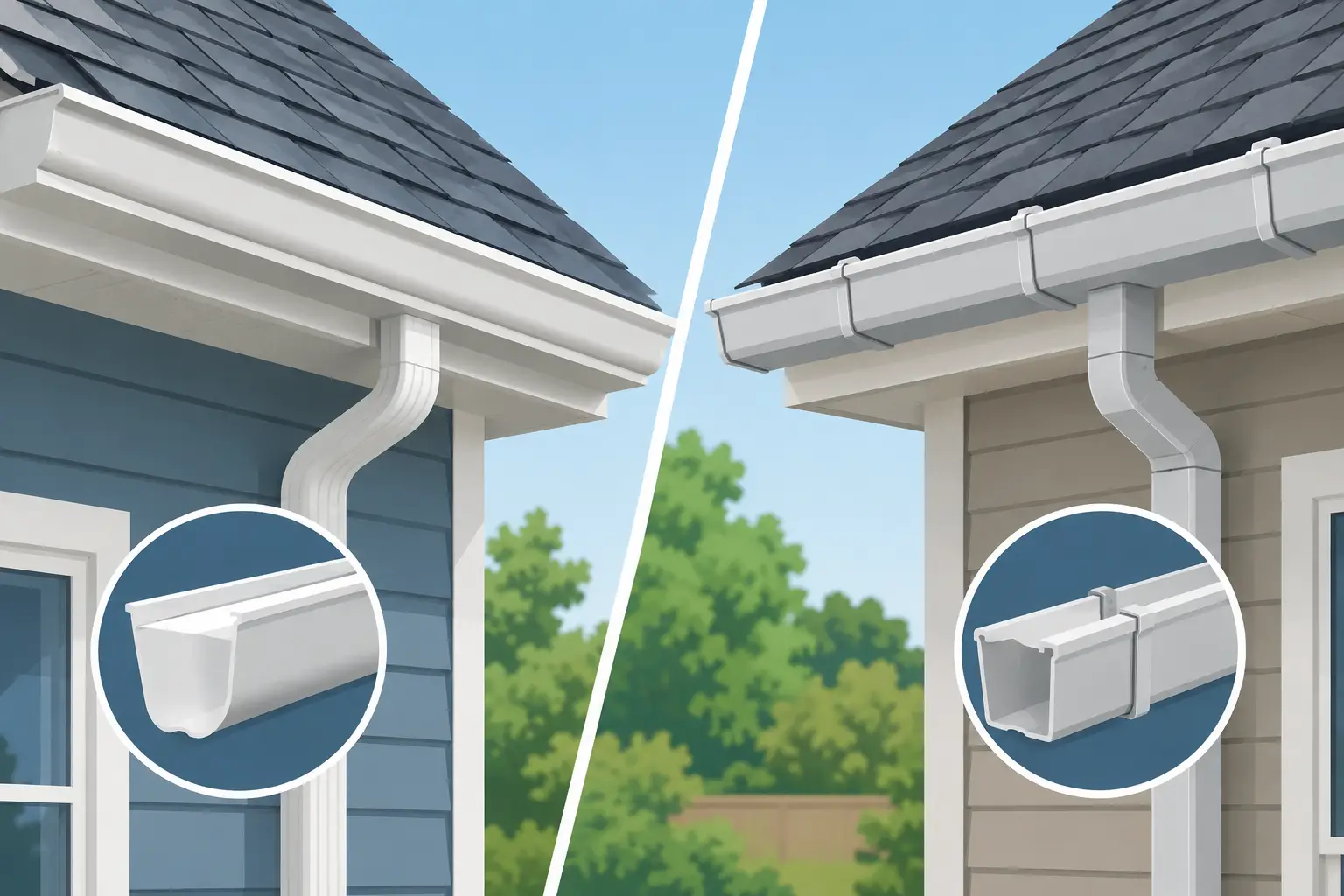
Prevention is largely about keeping water and humid air out of the attic. Have roof concerns addressed promptly, especially after severe North Texas storms. Keep gutters and downspouts functioning so water drains away from the roofline and foundation. Confirm that bathroom exhaust fans and dryer vents terminate outdoors, not in the attic, garage, or crawl space.
Attic ventilation also deserves a closer look when your home has recurring condensation. Intake and exhaust ventilation must work together. Adding more roof vents without sufficient intake at the soffits may not solve the issue. Likewise, air sealing gaps between the living space and attic can reduce the humid air that rises into the space.
A professional assessment is particularly useful if you see repeat staining, smell mustiness only during certain weather, or have had roof work done recently. These are the situations where the visible symptom and the real source may be in different places.
A dry, properly insulated attic helps your home stay cooler, protects the structure above your ceiling, and supports healthier air indoors. If you suspect damp or moldy insulation, a timely inspection gives you clear answers and a practical path forward before a manageable repair becomes a larger home problem.