



A dryer that takes two cycles to dry a load, water spilling over clogged gutters, or an attic that turns your upstairs into an oven can quickly become more than an inconvenience. The right financing options for home repairs can help homeowners address safety, comfort, and efficiency concerns before a small issue leads to bigger damage and a larger bill.
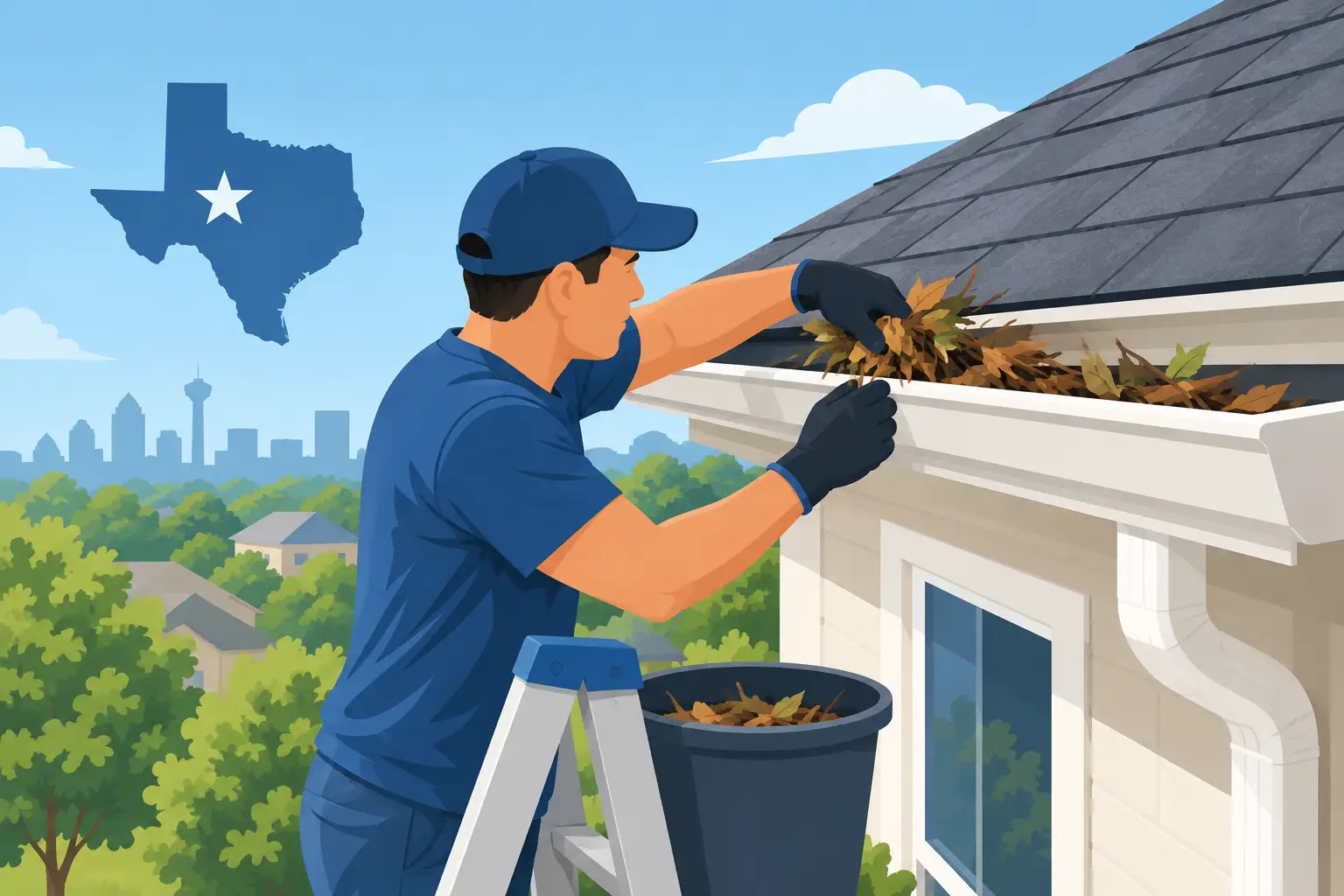
For Dallas-Fort Worth homeowners, timing matters. Texas heat places heavy demands on insulation and ventilation, while storms can expose gutter problems fast. A smart financing decision is not just about finding a monthly payment. It is about understanding the total cost, choosing work that protects your home, and avoiding pressure to borrow more than the project requires.
Financing Options for Home Repairs: Start With the Repair
Before comparing rates or payment terms, identify what must be handled now and what can wait. A damaged dryer vent, for example, can create a fire risk when lint restricts airflow. Water intrusion near a roofline or foundation can worsen after the next heavy storm. Poor attic insulation may not be an emergency, but it can contribute to high cooling costs month after month.
Ask for a clear scope of work and a written estimate that separates essential repairs from optional improvements. A dependable service provider should explain what is causing the problem, what the recommended work includes, and what could happen if it is delayed. No hidden charges and no vague promises should be part of the conversation.
It also helps to compare the repair cost with the cost of waiting. Financing a necessary gutter replacement may be more reasonable than paying for interior water damage later. On the other hand, taking on high-interest debt for a minor cosmetic update may not be the best move when a savings plan can cover it in a few months.
Common Financing Options for Home Repairs
The best choice depends on the project size, your available savings, your credit profile, and how quickly the work needs to happen. Review the full terms before you sign, including interest rate, fees, payment schedule, and whether a promotional rate can change.
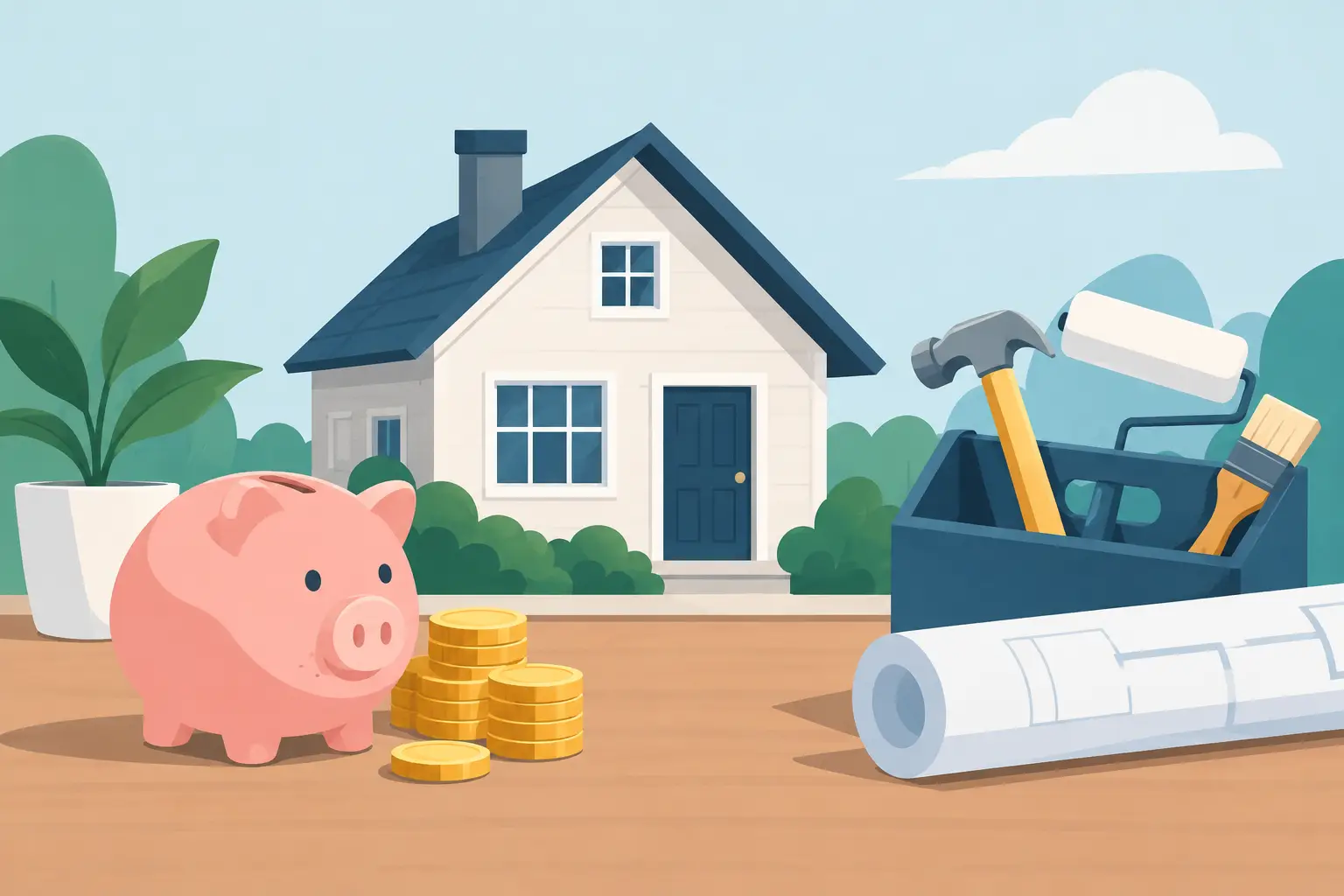
Savings or Emergency Funds
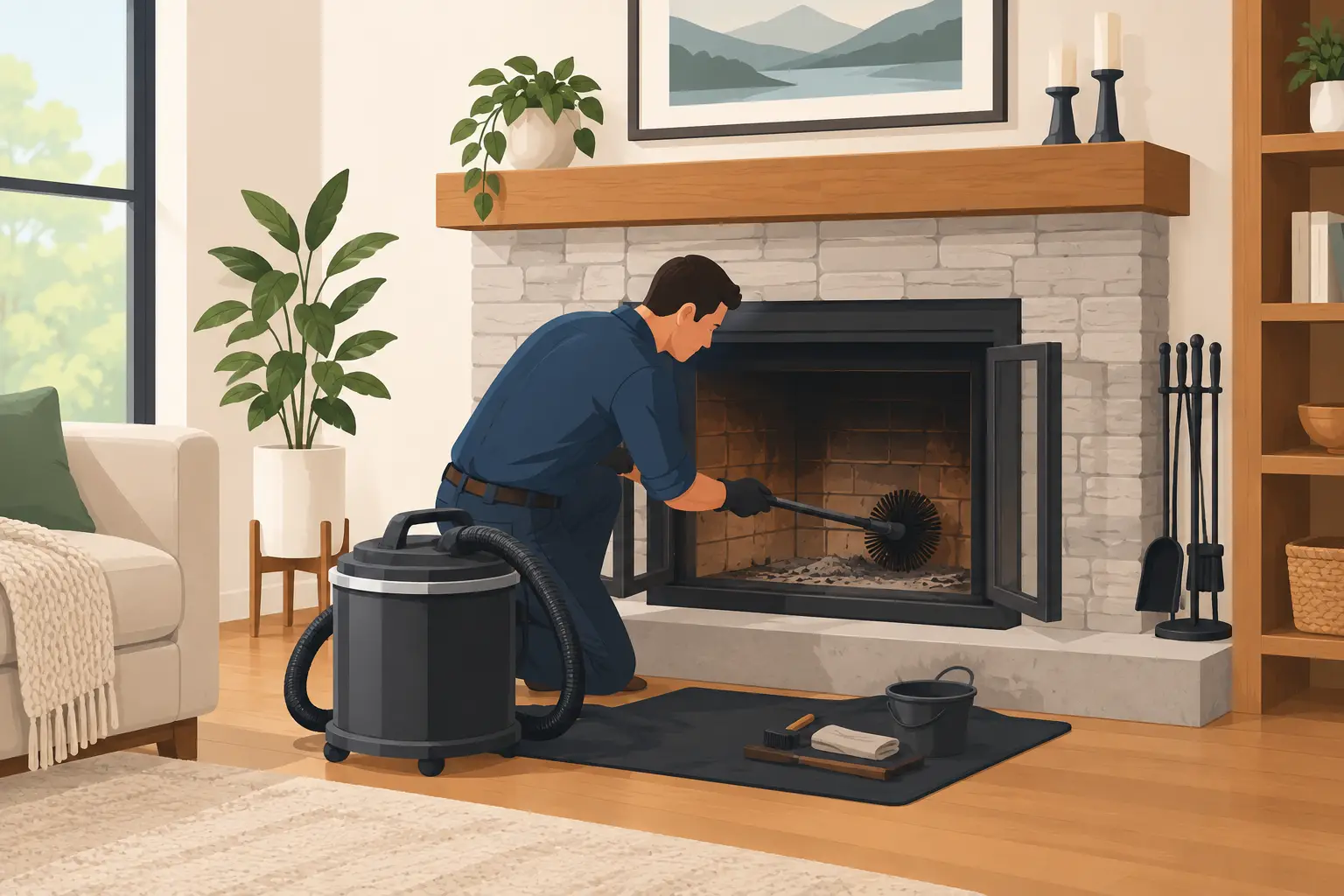
Paying from savings is often the least expensive option because there is no interest or loan fee. It can work well for routine maintenance, such as professional air duct cleaning, dryer vent cleaning, chimney cleaning, or a smaller gutter repair.
The trade-off is reducing your cash reserve. Avoid draining every dollar in your emergency fund for a project unless the issue is urgent. Homeownership has a way of delivering more than one surprise at a time, especially during severe weather season.
Credit Cards
A credit card may be practical for a smaller repair if you can pay the balance off quickly. Some cards offer a temporary introductory rate, rewards, or purchase protections. However, standard credit card interest can be expensive, and a balance that lingers can cost far more than the original service.
Use this option carefully. Calculate the payment needed to clear the balance before any promotional period ends. If that payment does not comfortably fit your budget, consider a different route.
Personal Loans
An unsecured personal loan provides a fixed amount of money, usually with predictable monthly payments and a set payoff date. This can be a useful option for mid-sized projects, such as insulation upgrades, major ductwork concerns, substantial cleaning and restoration work, or multiple needed repairs completed at once.
Because the loan is not secured by your home, approval and interest rates often depend heavily on credit history, income, and existing debt. Compare the annual percentage rate, origination fees, and prepayment rules. A lower monthly payment can look appealing, but extending repayment for years may increase the total amount you pay.
Home Equity Loans and HELOCs
If you have built equity in your home, a home equity loan or home equity line of credit, commonly called a HELOC, may offer a lower interest rate than unsecured financing. A home equity loan generally provides a lump sum with fixed payments. A HELOC works more like a revolving line of credit, which may be useful when repair costs are uncertain or work will happen in phases.
These options require more consideration because your home serves as collateral. Closing costs, variable rates on many HELOCs, and a longer approval process can also affect whether they are practical for an immediate repair. They may fit larger projects, but they are not always the right answer for a service that needs to be completed this week.
Contractor or Service Financing Plans
Some home service companies offer financing through third-party lending partners. This can be convenient because homeowners can arrange payment at the time they approve the work, rather than delaying a necessary service while searching for funds.
Read every detail of the offer. Ask whether there is deferred interest, a promotional period, a minimum purchase amount, late-payment penalties, or an early payoff fee. A promotional offer can be useful when you know you can pay it off on schedule. It can become costly if deferred interest is added back after the promotion expires.
At On Time Home Experts, homeowners can ask about available financing when they need qualified help with ventilation safety, indoor air quality, insulation, gutters, and other essential home services. The goal should be clear pricing and a payment approach that supports needed work without adding unnecessary stress.
Match the Financing to the Project Timeline
A good rule is to avoid using long-term financing for short-lived benefits. If a simple maintenance service will protect a system and prevent a larger problem, paying with savings or a short repayment plan may make sense. If the work solves a significant safety issue, prevents water damage, or improves the efficiency of a home you plan to keep for years, a structured loan may be easier to justify.
Consider how long the repair should serve your household. New insulation can help reduce energy loss over many seasons. Gutter replacement can protect landscaping, siding, and the foundation through repeated storms. Those longer-term benefits may support financing more than a temporary patch that will need to be redone soon.
It is also wise to think about your household budget after the repair. A payment that looks manageable on paper should still leave room for insurance, utilities, groceries, vehicle costs, and future home maintenance. If the proposed payment creates a tight month, ask whether the scope can be phased or whether a less expensive option still addresses the immediate risk.
Look Beyond the Monthly Payment
Monthly payment is only one number. A low payment can hide a high interest rate, a long repayment period, or added fees. Request the total financed amount, the estimated total paid over the life of the financing, and the consequences of a late payment.
When comparing offers, focus on these questions:
- What is the annual percentage rate after any promotional period?
- Is the rate fixed or variable?
- Are there origination, closing, annual, or prepayment fees?
- What will the total project cost be after interest?
- What happens if a payment is late or the balance is not paid by the promotional deadline?
Also confirm that the work itself is worth financing. Professional service should include trained technicians, appropriate equipment, and a clear explanation of the findings. The cheapest quote is not always the lowest-cost choice if incomplete work leaves the real problem unresolved.
When Insurance May Help Instead
Insurance is not financing, but it can change the amount you need to borrow. Sudden, covered damage from a qualifying event may be handled differently than normal wear, clogged vents, aging insulation, or deferred maintenance. Review your policy and deductible before making assumptions.
If a storm has caused visible damage, document the condition with photos and contact your insurer promptly. For maintenance-related issues, focus on the repair plan and choose the payment method that keeps the project affordable. Do not delay urgent safety work solely because you are waiting for an insurance answer.
A home is easier to protect when small warning signs are handled early. Choose financing that fits the repair, insist on clear terms, and give necessary safety and efficiency work the attention it deserves before the next Texas heat wave or storm makes the decision for you.