




A professional duct cleaning appointment should not turn your house upside down. When you prepare your home for duct cleaning before the technicians arrive, the work can move faster, your belongings stay protected, and the team can focus on the areas that matter most: the ductwork carrying air through your home.
For Dallas-Fort Worth homeowners, preparation is especially helpful during busy allergy seasons, after remodeling, or when dust and pet hair seem to return as soon as you clean. You do not need special equipment or a full day of work. A few practical steps will make the appointment smoother while helping trained technicians complete a thorough job.
Why Preparing for Duct Cleaning Makes a Difference
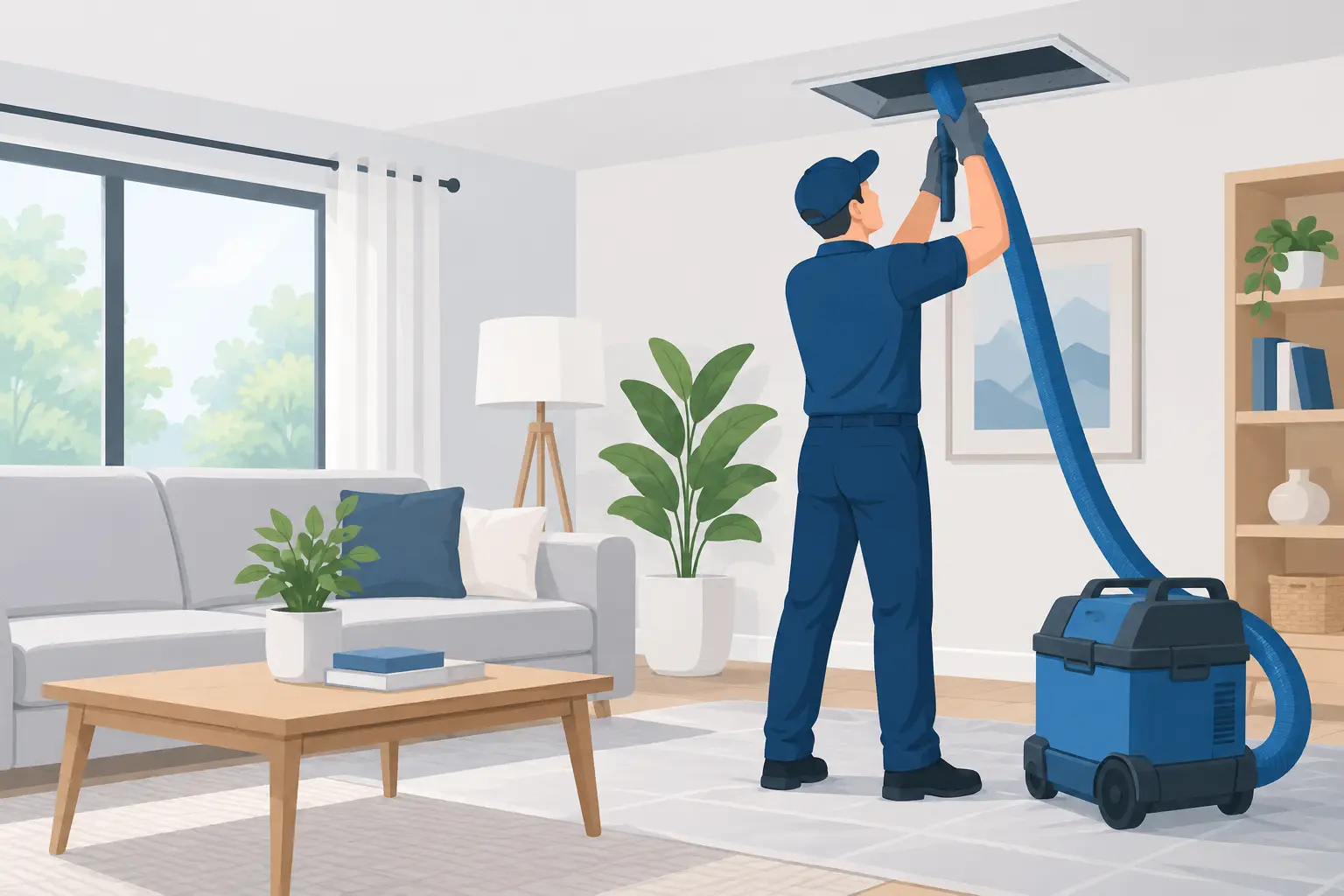
Air ducts are connected to supply vents, return vents, the HVAC system, and often hard-to-reach areas around the house. Professional technicians use specialized vacuums, agitation tools, and containment equipment to remove built-up dust and debris safely. They need reasonable access to those points to do the job correctly.
Preparation is not about making your home spotless for the crew. It is about clearing the work areas and protecting items that could be bumped, dusty, or difficult to move around. It also gives you time to point out concerns, such as a room that feels stuffy, a vent with visible dust, recent construction work, or recurring allergy symptoms.
A clear path helps reduce delays. It may also prevent the frustrating situation where a technician cannot access an important return vent because furniture, storage boxes, or a large rug blocks the area.
How to Prepare Your Home for Duct Cleaning
Start by walking through your home and locating the visible vents. Most rooms have supply vents in the floor, wall, or ceiling, while return vents are usually larger and may be located in hallways, living areas, or near the central HVAC equipment. You do not need to remove vent covers unless the service team specifically asks you to do so.
Move lightweight furniture, baskets, toys, and decorative items away from vents whenever possible. Aim to create about three feet of clear workspace around accessible registers and returns. If a heavy sofa, bookcase, bed, or entertainment center blocks a vent, do not risk injury trying to move it alone. Let the company know before the appointment so the technician can discuss the best approach.
Pay particular attention to the main return vent and indoor HVAC unit. These are key access points during duct cleaning. Clear away stored items, pet beds, laundry baskets, and anything else that may limit access. If your air handler is in an attic, garage, closet, or utility room, make sure the route to it is open and safely walkable.
Protect Delicate Belongings and Clear the Floors
Duct-cleaning equipment is designed for professional in-home use, but hoses and tools still need to travel through parts of the house. Put away fragile decorations, low-standing lamps, glass items, and valuables near the work path. This is a simple precaution that protects what matters to you and gives the crew room to work efficiently.
If you have loose papers, small toys, pet accessories, or cords on the floor, pick them up before the visit. Clear hallways and stairways are particularly important. Technicians may need to move equipment between rooms, and an open route supports safer service for everyone in the home.
You do not need to cover every piece of furniture. Professional teams should use care in your home and take steps to contain debris during the cleaning process. However, if you have a treasured antique, a delicate collection, or a room you would prefer the team avoid, mention it at the beginning of the appointment.
Make Pets and Children Comfortable
The equipment used for duct cleaning can be loud. Powerful vacuums, air tools, and technician movement from room to room may be unsettling for dogs, cats, babies, or young children. Whenever possible, keep pets in a quiet room away from active work areas, arrange for them to stay with a neighbor, or take them out for a walk during the appointment.
For households with children, keep them out of the immediate work zone. This protects them from hoses, tools, open registers, and repeated traffic through the home. It also allows the technicians to keep the project moving without interruptions.
If a pet is anxious, reactive, or likely to slip out through an open door, tell the service team right away. A quick conversation helps everyone plan around your household safely.
Prepare the HVAC System Area
Your service provider may need access to the thermostat and electrical panel, depending on the system and cleaning method. Make sure those areas are available and let the technician know if your thermostat has special settings or if the HVAC system has been acting unusually.
Before the appointment, replace or remove heavily clogged filters only if you are comfortable doing so and know the correct filter size. Otherwise, leave the filter in place and ask the technician for guidance. A dirty filter can be a sign that your system needs attention, but it does not automatically tell you what is inside the ductwork.
Avoid running the HVAC system immediately before the team arrives if you have been instructed otherwise. The technician may need to turn the system off during parts of the process. You should also mention any issues you have noticed, including weak airflow, musty odors, rattling sounds, uneven temperatures, or dust collecting quickly around vents.
Do Not Use DIY Chemical Treatments First
Some homeowners consider spraying fragrances, disinfectants, or store-bought products into vents before a cleaning. This is usually not helpful. It can introduce unnecessary chemicals into the air system, mask an odor the technician needs to assess, or leave residue behind.
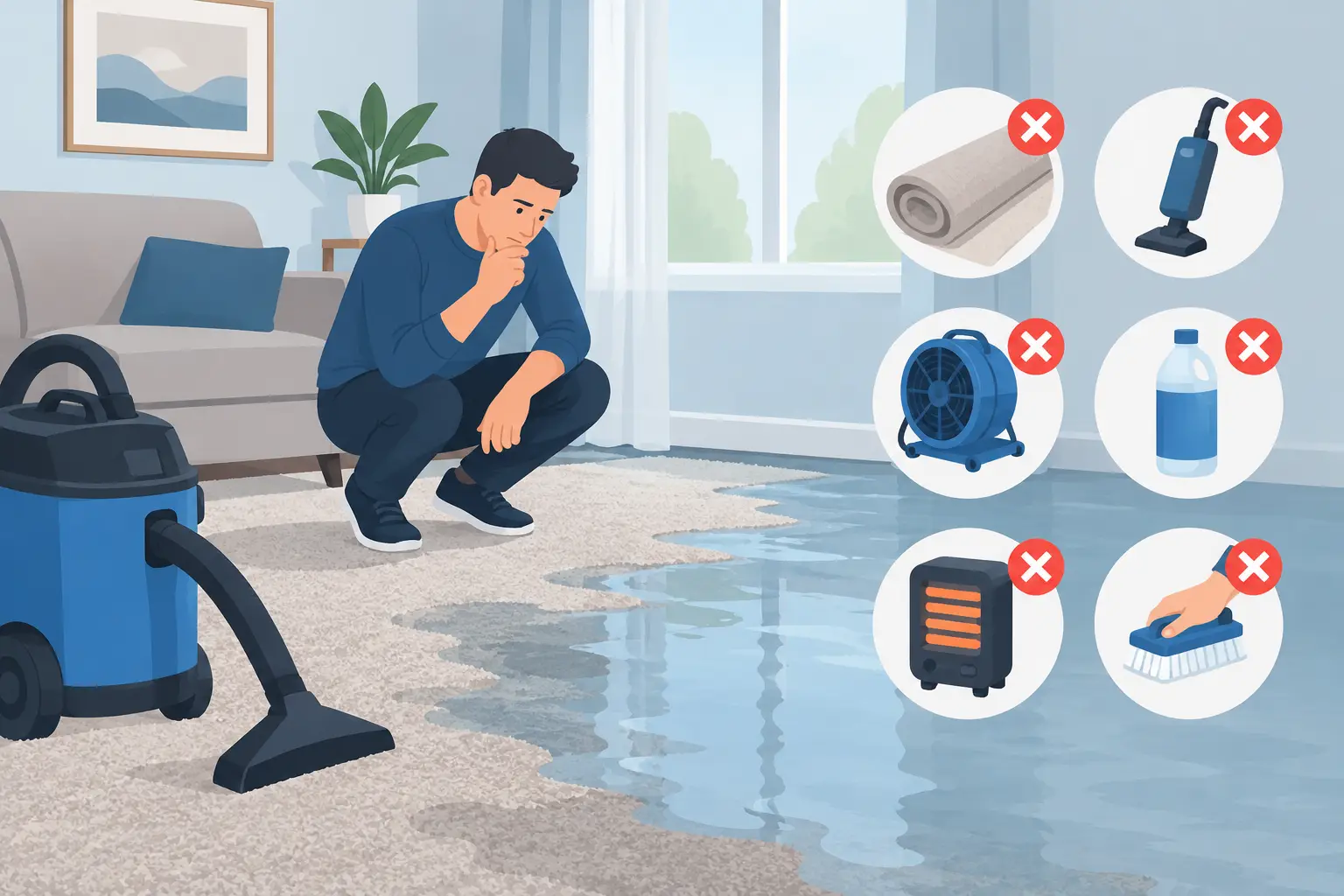
Similarly, do not try to vacuum deep inside your ducts with a household vacuum. You may remove a little surface dust from a register, but standard equipment cannot clean the full duct system and may damage flexible ductwork if used aggressively. Professional duct cleaning requires tools designed to reach, agitate, and collect debris without creating a bigger problem.
Plan for Access and Communication
An adult decision-maker should be available at the start of the appointment. The technician may need approval to access certain spaces, ask about known HVAC issues, or explain what they find. If you cannot be home, confirm in advance whether another adult can provide access and make decisions if needed.
Keep gates unlocked and driveways or parking areas reasonably available when possible. In many Texas homes, equipment may need to be brought in from a vehicle, and a clear approach saves time. If your neighborhood has parking restrictions, gated entry, or a building access code, provide those details ahead of time.
This is also a good time to ask for a clear explanation of the service scope. Honest companies should tell you what areas are included, how long the work may take, and whether they identify a separate issue that needs your attention. Be cautious about anyone who promises a whole-home duct cleaning for an unusually low price, then pressures you into expensive add-ons once inside.
What You Can Expect During the Visit
A professional team should begin by reviewing the work areas, confirming access, and answering your questions. Depending on the size of the home, number of vents, layout of the duct system, and level of buildup, the appointment length can vary. Homes with multiple HVAC units or difficult attic access may require more time.
The crew may open registers, connect equipment near the HVAC system, and work through individual vents. Some noise is normal. You may see technicians moving between rooms several times as they clean the connected system. That is not a sign of disorder – it is part of reaching the ductwork thoroughly.
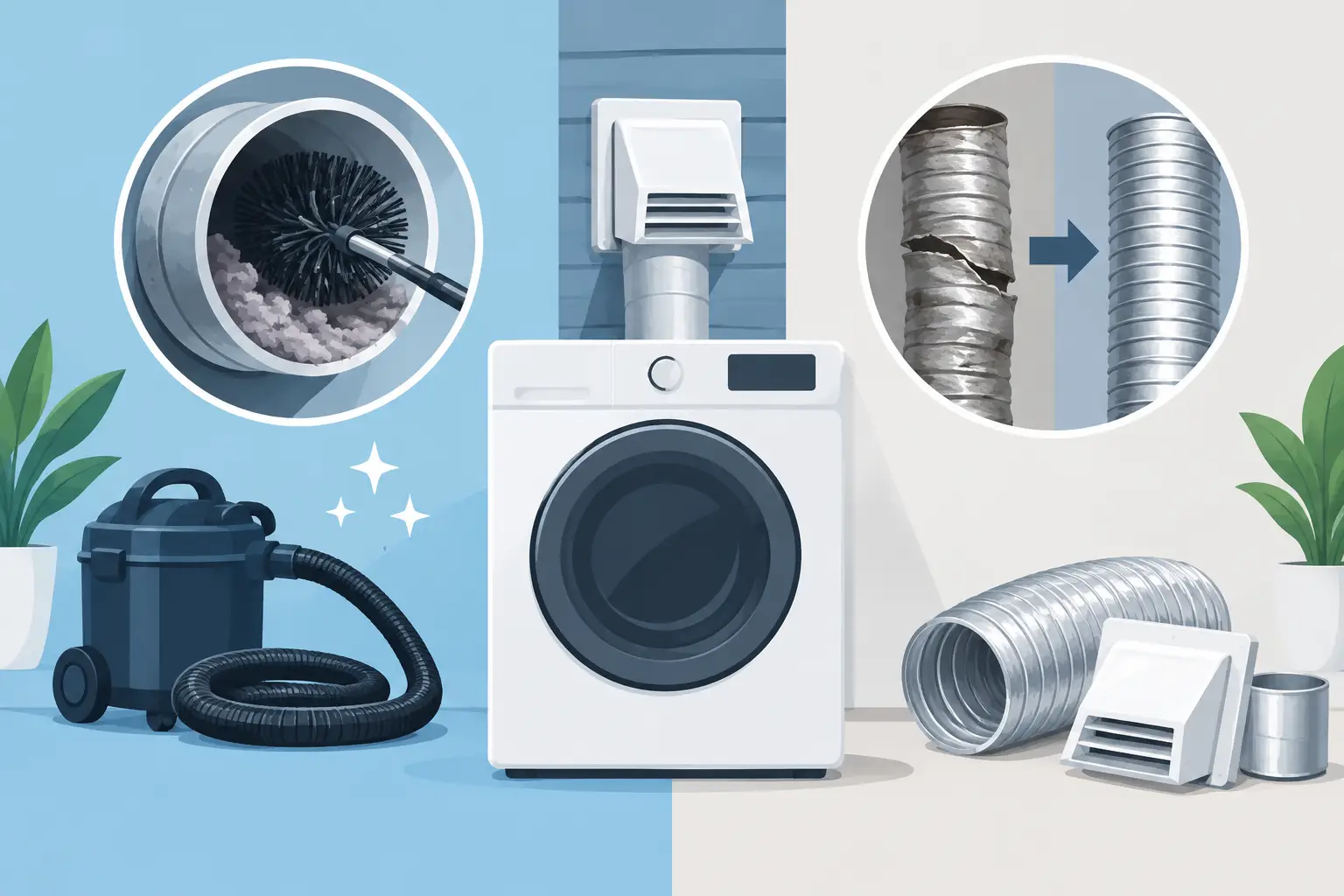
Once the work is complete, ask whether the technician noticed concerns such as damaged duct connections, excessive debris from a renovation, signs of moisture, or an overdue filter change. Duct cleaning supports a cleaner indoor environment, but it is not a cure-all for every comfort or air-quality concern. Persistent odors, mold concerns, HVAC performance problems, or severe allergy symptoms may require additional inspection and a targeted solution.
A Cleaner Start for Your Home
The best way to prepare is simple: create access, secure pets and delicate belongings, and be ready to share what you have noticed about your home’s air. Those small steps help a qualified team spend less time navigating obstacles and more time delivering careful, efficient service.
When your ducts are accessible and your questions are ready, you can approach the appointment with confidence – knowing your home, family, and HVAC system are being treated with the attention they deserve.