




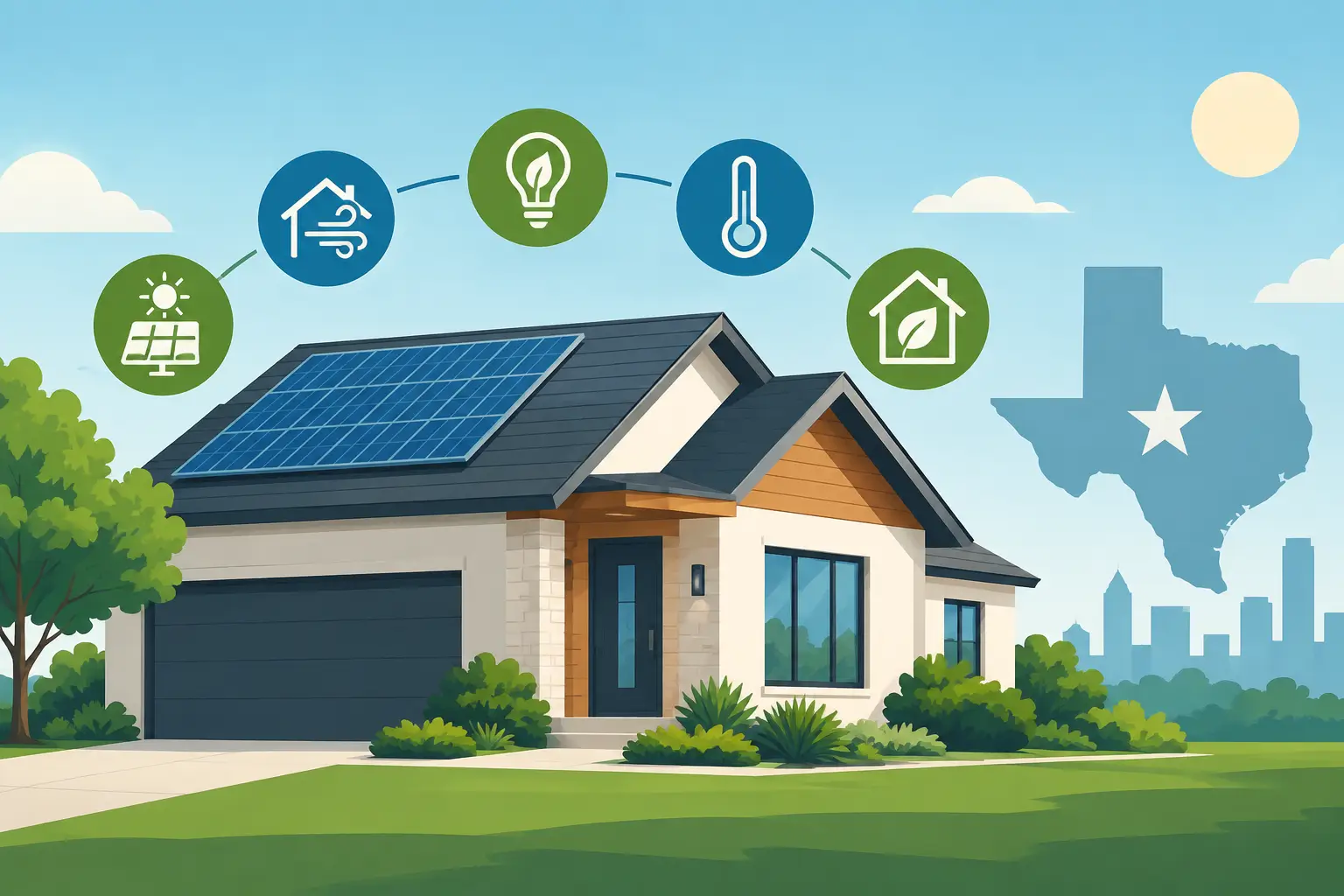
A Texas attic can reach punishing temperatures for months at a time, and that heat does not stay neatly above the ceiling. It presses on insulation, ductwork, HVAC equipment, and every weak point in the home’s protective envelope. That is why home energy efficiency trends are moving beyond smart gadgets and toward practical improvements that make homes more comfortable, safer, and less expensive to operate.
For Dallas-Fort Worth homeowners, efficiency is rarely about one dramatic upgrade. The best results usually come from finding where conditioned air is escaping, where heat is entering, and where home systems are working harder than they should. A professionally maintained home can feel more consistent room to room while using less energy to get there.
Home Energy Efficiency Trends That Matter Most
The current focus is on whole-home performance. Instead of replacing equipment first and hoping for lower bills, homeowners are paying closer attention to insulation, ventilation, air movement, and maintenance. That approach makes sense in North Texas, where hot summers, sudden cold snaps, storms, and high humidity can all expose weak points in a home.
Better attic insulation is becoming a priority
Attic insulation remains one of the most practical energy upgrades for Texas homes. When insulation is thin, compressed, damp, or unevenly installed, heat can move into living areas faster. Your air conditioner then has to run longer to maintain the temperature on the thermostat.
Homeowners are increasingly treating attic insulation as part of comfort and home protection, not just an item on an energy checklist. Proper insulation can help bedrooms stay more even in temperature, reduce strain on HVAC equipment, and make the house feel less affected by intense afternoon sun.
The right insulation level depends on the home’s design, existing material, attic condition, and ventilation. Adding more material without checking for moisture issues, blocked airflow, or damaged areas can create a problem rather than solve one. A professional assessment helps identify whether the attic needs insulation, air sealing, ventilation improvements, or a combination of all three.
Cleaner duct systems support efficient airflow
A heating and cooling system cannot perform at its best when air has a difficult path through the home. Dust, construction debris, pet hair, and other buildup inside ductwork may restrict airflow in some situations and can contribute to indoor air concerns. Leaky or poorly connected ducts can also send conditioned air into the attic or other unconditioned spaces instead of the rooms where your family needs it.
This is why homeowners are connecting air duct cleaning and duct inspections with energy efficiency. Clean ducts alone will not correct a failing air conditioner or solve every high-bill issue. But when cleaning is paired with attention to damaged connections, airflow concerns, and filter maintenance, it can support a healthier and more efficient home environment.
If certain rooms are always stuffy, dusty, or difficult to cool, the issue may not be the thermostat. It could be a duct restriction, a return-air problem, insufficient insulation, or several factors at once. Guesswork can get expensive. A trained technician can help narrow down what needs attention.
Ventilation is no longer an afterthought
A tighter home can hold cooled air more effectively, but it also needs proper ventilation. This balance is one of the most important home energy efficiency trends for homeowners to understand. Sealing every gap without considering moisture, attic airflow, combustion safety, and indoor air quality is not a complete efficiency plan.
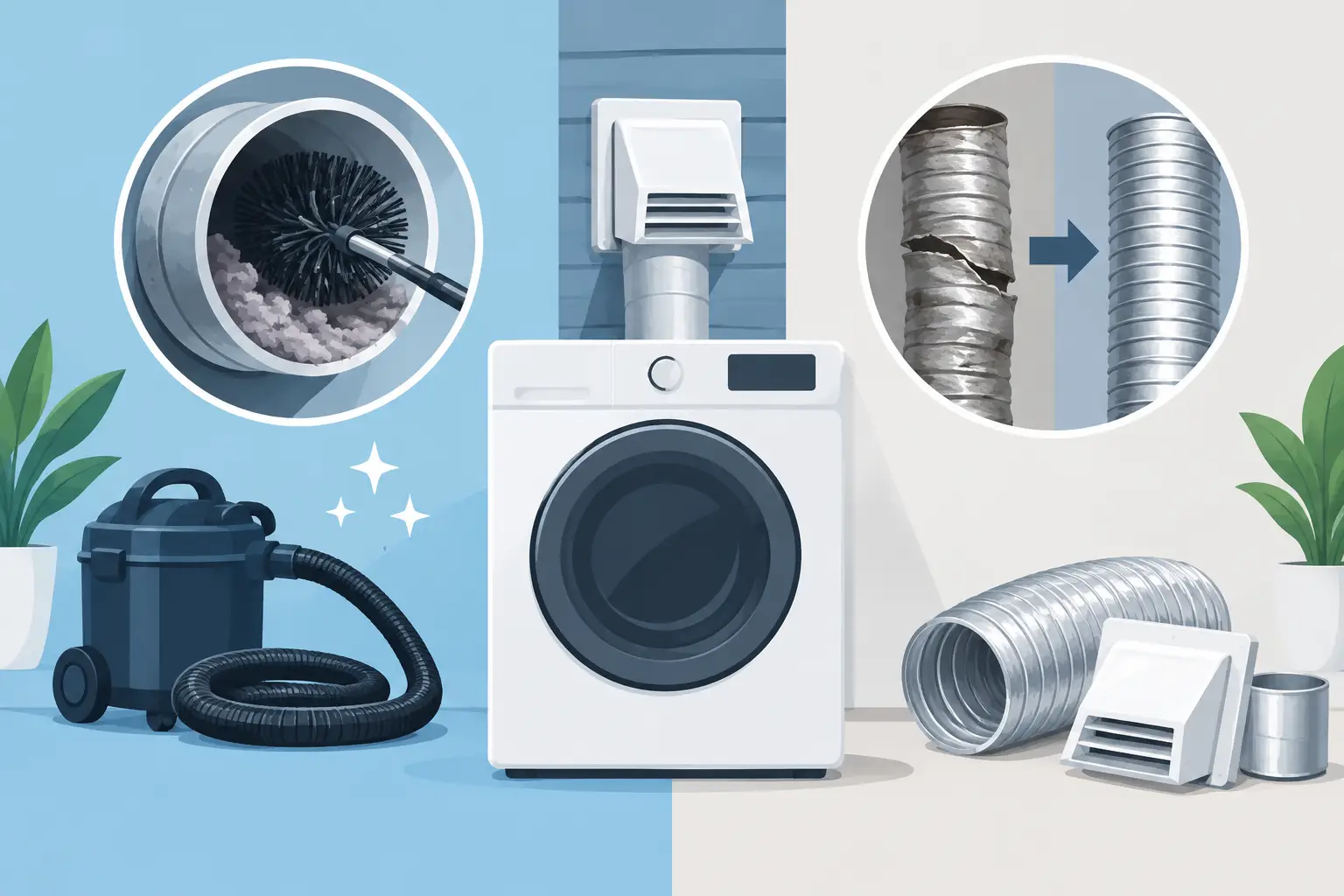
In the attic, ventilation helps manage heat and moisture. Around dryer systems, a clear, properly maintained vent allows the appliance to exhaust air more effectively. A clogged dryer vent can cause longer dry times, wasted energy, excess heat, and a serious fire risk.
Dryer vent cleaning is a small maintenance service with a meaningful payoff. If clothing takes more than one cycle to dry, the laundry room feels unusually hot, or you notice a burning smell, do not ignore it. Those signs call for prompt professional attention.
Smart Technology Helps, but It Does Not Fix Everything
Smart thermostats, connected HVAC controls, energy monitors, and automated window coverings are becoming more common. They can give homeowners better visibility and control, especially for households that are away during the day or manage multiple properties.
A smart thermostat can reduce unnecessary runtime by adjusting temperatures around your schedule. It may also show usage patterns that point to a larger problem, such as an air conditioner running constantly during the hottest part of the day. Still, technology works best when the home itself is prepared to hold conditioned air.
If an attic is underinsulated or ducts are leaking, lowering the thermostat through an app will not create real efficiency. It may only make the system work longer. Think of smart controls as a useful tool for managing a well-maintained home, not a substitute for needed repairs and maintenance.
Indoor Air Quality Is Part of Energy Efficiency
Many homeowners once viewed energy savings and indoor air quality as separate projects. They are closely connected. A home with poor airflow, dirty ducts, excessive dust, or unmanaged humidity can feel uncomfortable even when the HVAC system is running. Residents may respond by lowering the thermostat, running fans constantly, or relying on portable devices that add to energy use.
A balanced approach considers comfort, air quality, and system performance together. Regular filter changes, professional duct cleaning when appropriate, dryer vent maintenance, and adequate attic insulation can all contribute to a cleaner and more comfortable indoor environment.
This matters even more for families managing allergies, pets, young children, or older relatives. No service can promise to eliminate every airborne irritant, but reducing dust buildup and improving airflow can help create a more pleasant home to live in.
Weatherproofing Is Getting More Practical
Texas homeowners are also paying attention to smaller sources of energy loss. Gaps around doors, windows, attic access points, plumbing penetrations, and recessed fixtures can allow outdoor air into conditioned spaces. These openings may seem minor, but together they can affect comfort and HVAC runtime.
Basic weatherproofing often provides a sensible return because it supports the upgrades around it. For example, insulation performs better when major air leaks are addressed, and HVAC equipment benefits when it is not constantly compensating for hot air entering the home.
There are trade-offs. Older homes may need careful evaluation before air sealing because they can have existing ventilation or moisture concerns. Homes with fireplaces also require attention to chimney condition and damper operation. Professional chimney and fireplace cleaning can help identify buildup and maintenance needs while supporting safer operation.
Focus on Maintenance Before Major Replacement
When utility bills rise, it is tempting to assume the HVAC system needs immediate replacement. Sometimes it does. But homeowners often benefit from looking at the lower-cost, high-impact factors first: attic insulation, duct condition, filters, dryer vent airflow, and obvious air leaks.
This does not mean delaying an equipment replacement that is clearly necessary. An aging unit with frequent repairs, poor performance, or high operating costs may be a strong candidate for replacement. The point is to avoid installing expensive new equipment into a home that still loses cooled air through the attic or duct system.
A whole-home view also helps homeowners prioritize work. If the attic is extremely hot and insulation is inadequate, that may deserve attention before adding another smart device. If the dryer is taking two or three cycles, dryer vent cleaning should move up the list because safety is involved.
A Practical Plan for Texas Homeowners
Start with the areas that have the biggest effect on daily comfort and safety. Notice which rooms are hardest to cool, whether utility bills have changed without a clear reason, and whether appliances are showing warning signs. Then schedule qualified help for services that require specialized equipment or safety knowledge.
On Time Home Experts helps homeowners address several connected needs, including attic insulation, air duct cleaning, dryer vent cleaning, and chimney services. Working with a professional team can save time and help you avoid paying for upgrades that do not address the real source of the problem.
The most valuable efficiency improvements are often the ones you feel every day: a bedroom that stays comfortable, a dryer that finishes normally, cleaner airflow, and an HVAC system that is not constantly fighting the Texas heat. Start with the condition of your home, and let the right maintenance and upgrades build from there.