

A damp carpet can turn a small leak, overflowing appliance, or storm-related water intrusion into a much bigger home concern. So, can carpet cleaning remove mold? Sometimes, but only when the moisture issue was caught early and mold has not spread deeply into the carpet, pad, subfloor, or nearby walls. Once mold is established in porous materials, cleaning the surface alone may make the carpet look better without solving the underlying problem.
For Dallas-Fort Worth homeowners, the right response depends on how much water was involved, how long the area stayed wet, the type of water, and whether there is visible growth or a persistent musty odor. The safest goal is not just a cleaner carpet. It is a dry, stable indoor environment where mold is unlikely to return.
When Carpet Cleaning Can Remove Mold Concerns
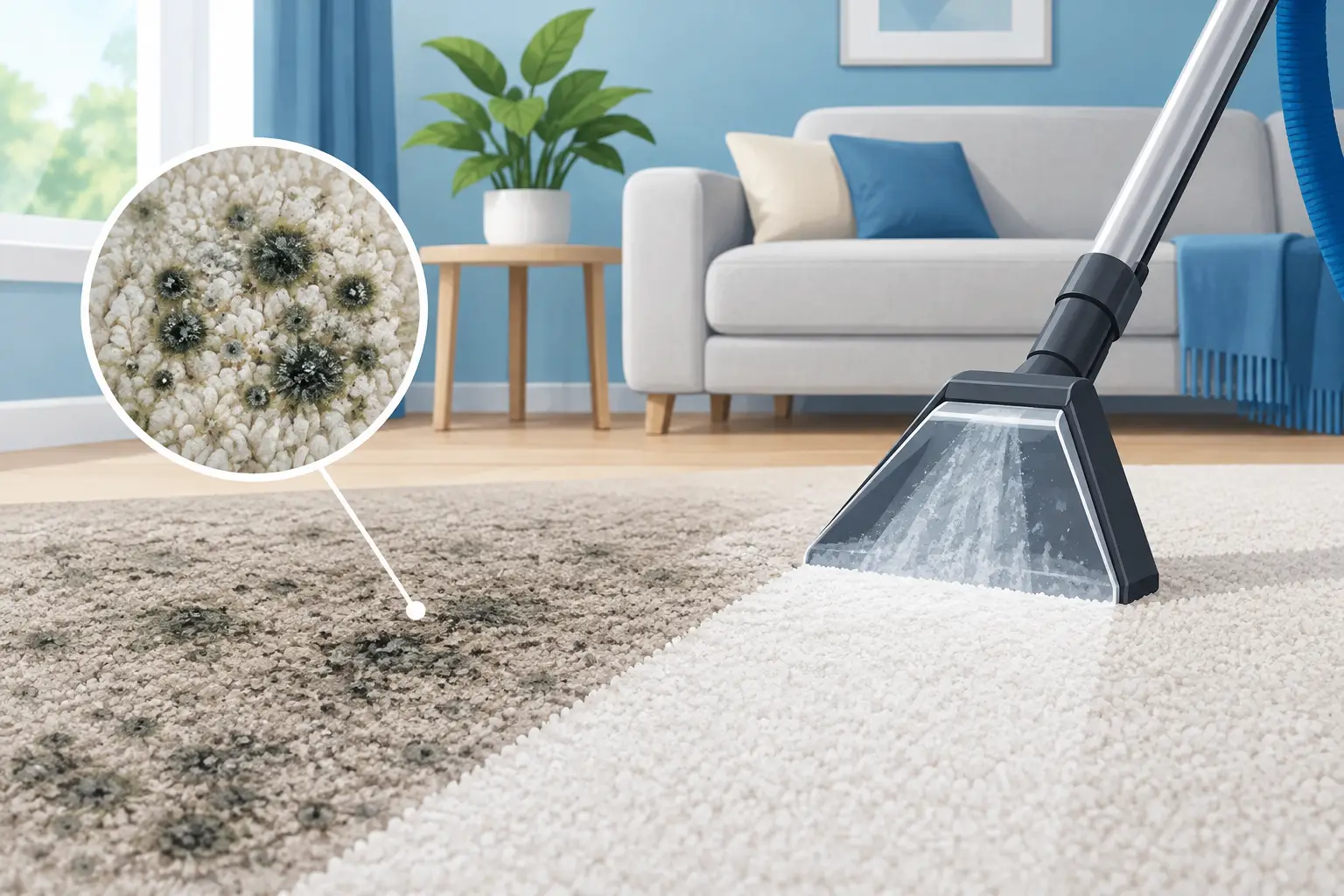
Professional carpet cleaning can be part of the solution when a carpet has experienced minor moisture exposure and was dried quickly. For example, a small clean-water spill, a brief plumbing drip, or condensation that is addressed within 24 to 48 hours may not lead to deep contamination. In these situations, extraction, controlled drying, and thorough cleaning can remove dirt, residue, and some surface-level microbial material.
The key word is quickly. Mold needs moisture and a food source, and carpet fibers, backing, dust, and padding can provide the conditions it needs. If a trained technician finds that the carpet is dry underneath, there is no visible growth, and there is no ongoing odor, professional cleaning may be a reasonable next step.
Cleaning is also useful after the source of moisture has been repaired. A carpet that became damp from an HVAC drain issue, a minor leak, or high indoor humidity should not be cleaned and left to dry on its own. Proper extraction and airflow matter because leaving moisture behind can create the same issue all over again.
When Cleaning Is Not Enough
Carpet cleaning is not a reliable cure for widespread mold growth. Mold can grow below the visible surface, especially in the carpet pad and at the edges where carpet meets baseboards. Standard cleaning equipment cannot always reach, remove, or dry those hidden areas completely.
Replacement is often the safer choice if the carpet remained wet for more than 24 to 48 hours, especially after a flood or significant leak. The same is true when there is visible mold, a strong musty smell that returns after cleaning, staining that spreads, or soft, deteriorating padding beneath the carpet.
Water type matters, too. Clean water from a supply line is different from water affected by sewage, toilet backups, outdoor flooding, or other contaminants. Carpet exposed to contaminated water should generally be removed rather than cleaned. The concern is not only mold. Bacteria, viruses, and other contaminants may be present, and homeowners should not take chances with materials that are difficult to disinfect fully.
Why Carpet Padding Is the Problem
Carpet padding is absorbent and usually cannot be cleaned effectively once it has been wet for an extended period. Even if the top of the carpet feels dry, the pad may still hold moisture against the subfloor. That trapped moisture can support mold growth and lead to odors that seem to come back without explanation.
This is why a professional assessment should include more than a visual check. Moisture readings, inspection around walls and tack strips, and an honest review of the water event help determine whether the carpet can be saved. A low price for a quick cleaning is not a good value if the problem remains hidden under the floor.
Signs Mold May Be Growing Under Your Carpet
Mold is not always obvious. Many homeowners first notice a damp, earthy, or musty odor when they enter a room after it has been closed up. That odor may become stronger when the air conditioner runs or when Texas humidity is high.
Watch for discoloration near baseboards, dark spotting along carpet edges, recurring dampness, and allergy-like irritation that seems worse in one room. Peeling baseboards, warped flooring, or stains on nearby drywall can also point to a leak that has affected the carpet from below or behind the wall.
These signs do not confirm mold by themselves. Pets, old spills, smoke residue, and dirty carpet can also cause odors and staining. Still, a recurring musty smell should be investigated rather than covered with fragrance or deodorizer. Odor treatments may temporarily mask the issue, but they do not remove moisture or contaminated materials.
The Right Order for Mold-Affected Carpet Cleanup
Effective cleanup starts with stopping the water source. Repair the plumbing leak, address roof or window intrusion, correct HVAC drainage, or improve drainage around the home before investing in carpet service. If humidity is the issue, identify why the room stays damp and consider whether ventilation, insulation, or air conditioning performance needs attention.
Next, the affected area needs to be evaluated and dried. For a limited clean-water event caught early, professional extraction and drying equipment may prevent further damage. Furniture should be moved when needed so technicians can inspect the full area rather than drying only the visible center of the room.
If the assessment reveals visible mold, long-term saturation, contaminated water, or damage to the pad and subfloor, removal may be necessary. The carpet and pad may need to be taken out so the underlying floor can be inspected, cleaned appropriately, and dried before new materials are installed.
Do not install new carpet over a damp subfloor. It can trap moisture and create a repeat problem before the new flooring has had time to settle in. A trustworthy service provider should explain what they found, what can be cleaned, what should be removed, and why.
Why DIY Mold Cleaning Can Backfire
Renting a carpet cleaner may seem like the fastest answer, but it can add moisture without fully extracting it. Home machines are useful for light cleaning and fresh spills, yet they are not designed to handle hidden water damage or mold remediation. Over-wetting a carpet can also push moisture farther into the pad.
Household bleach is another common mistake. Bleach can discolor carpet, produce unpleasant fumes, and does not solve mold growing underneath the fibers. Sprays and powders may reduce an odor for a short time, but they cannot correct a wet pad, a leaking pipe, or elevated humidity.
Homeowners should also avoid aggressively disturbing visible mold growth. Scrubbing, pulling up carpet, or running fans without understanding the extent of contamination can spread particles to other areas. For a large affected area or any situation involving contaminated water, professional evaluation is the prudent choice.
Preventing Mold After Carpet Cleaning
Once the carpet is clean or the damaged materials have been replaced, prevention comes down to moisture control. Keep indoor humidity at a comfortable level, use bathroom and kitchen exhaust fans, and address HVAC drainage problems promptly. Check under sinks, around water heaters, near washing machines, and along exterior walls after heavy rain.
In North Texas, sudden storms and high humidity can expose weak points in a home quickly. Clean gutters and proper drainage help move water away from the foundation, while well-maintained air conditioning and ventilation systems help manage indoor moisture. If a room repeatedly smells damp, feels humid, or develops stains near vents or walls, treat it as a maintenance issue before it becomes a restoration project.
On Time Home Experts helps homeowners make practical decisions about carpet care and the conditions that affect indoor air quality. The goal is straightforward: identify the cause, use the right level of cleaning or removal, and protect the home from a problem that keeps coming back.
A clean carpet is valuable, but a dry home is the real priority. When water damage or mold is suspected, acting early gives you more options, protects your flooring investment, and helps keep your home comfortable for the people who live there.