

A Texas attic can reach punishing temperatures long before the afternoon is over. When heat pushes through a poorly insulated ceiling, your air conditioner has to work harder, upstairs rooms become uncomfortable, and monthly energy bills can climb. Attic insulation rebates can help reduce the upfront cost of correcting that problem, but only when homeowners understand the program rules before work begins.
For Dallas-Fort Worth homeowners, the best approach is not to chase a rebate alone. Start with the condition of the attic, the insulation level your home needs, and the installation requirements tied to the available incentive. A rebate is valuable, but a properly completed insulation upgrade is what improves comfort, efficiency, and long-term home protection.
How Attic Insulation Rebates Usually Work
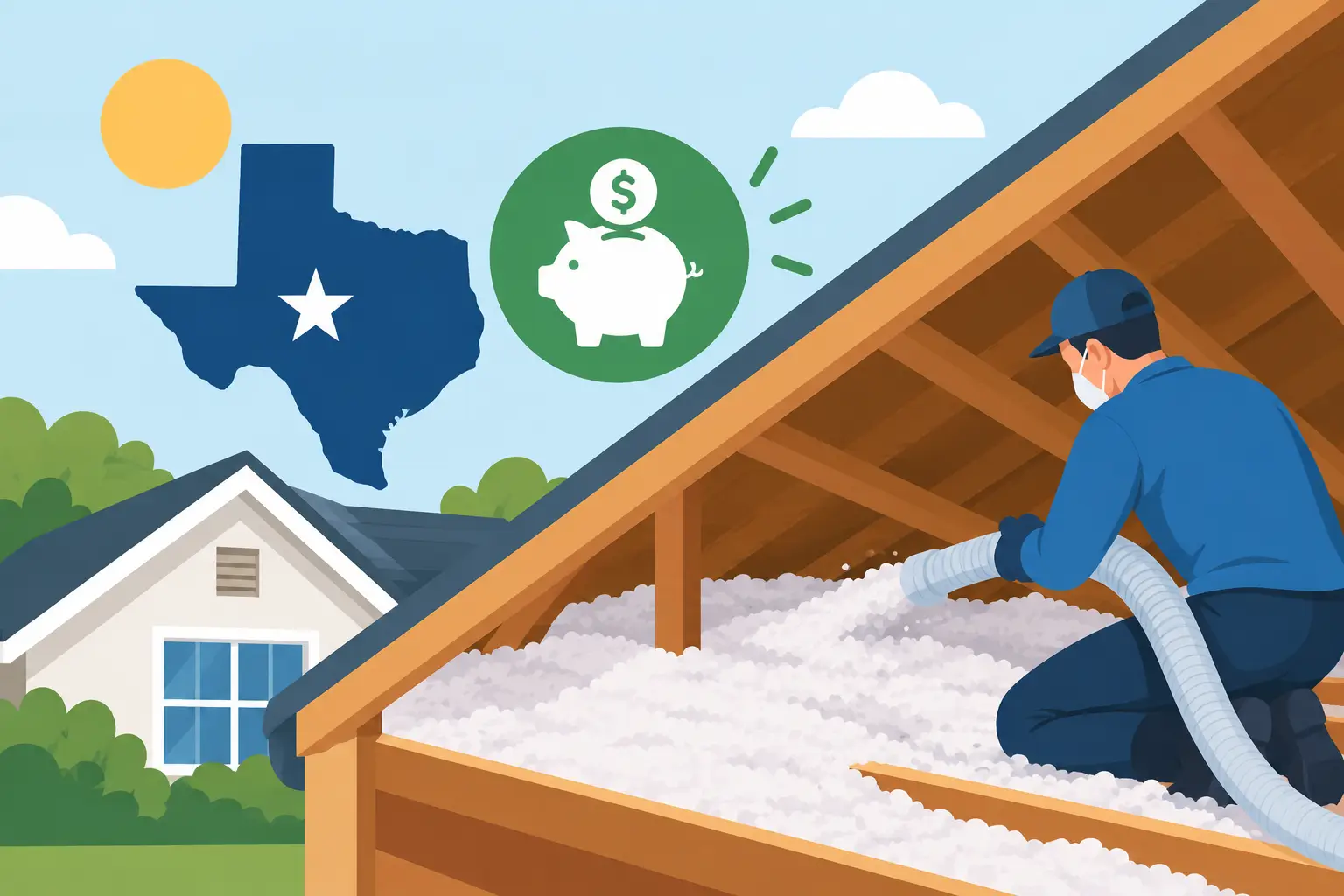
An attic insulation rebate is a financial incentive offered by an electric utility, local program, manufacturer, or occasionally a state or federal energy-efficiency initiative. It may come as a check, a bill credit, a discount applied by an approved contractor, or a reduced project price after required documentation is submitted.
Most programs are designed to encourage homeowners to add insulation where it will make a measurable difference. They commonly require the home to be served by a participating utility, the insulation to meet a minimum R-value, and the installation to be completed within a specific period. Some programs also require an inspection, photos, product information, or proof that an existing insulation level was below the program threshold.
The details matter because rebates are not automatic. A homeowner may install quality insulation and still miss out if the work starts before approval, the contractor is not eligible, or the final insulation depth does not meet the stated requirement. Program funding can also be limited, so an offer that is available today may change or close without much notice.
Rebates, Tax Credits, and Discounts Are Different
These terms are often used interchangeably, but they do not work the same way. A rebate generally reduces your project cost directly or returns money after installation. A contractor discount lowers the price at the time of service. A tax credit may reduce qualifying tax liability when you file, subject to current rules, income considerations, and documentation requirements.
It is possible for a project to qualify for more than one type of savings, but homeowners should never assume incentives can be combined. Read the program terms and keep all invoices, receipts, product details, and any required certification paperwork. When tax treatment is involved, a qualified tax professional can help you understand how a current incentive applies to your household.
Why Insulation Matters in North Texas
Insulation does more than keep a home warm in winter. In Texas, its most noticeable job is slowing the transfer of attic heat into the living space during long cooling seasons. A well-insulated attic floor helps the conditioned air inside stay where it belongs, giving your HVAC system a better chance to maintain an even temperature.
Many homeowners first notice the issue in bedrooms over the garage, second-floor rooms, or areas furthest from the thermostat. The thermostat may show a normal setting while those rooms still feel warm, sticky, or difficult to cool. Insulation may be part of the answer, but it is not always the only answer. Air leaks, disconnected ductwork, inadequate return airflow, attic ventilation problems, and aging equipment can create similar comfort complaints.
That is why a professional attic assessment is more useful than guessing based on one high utility bill. The goal is to identify where the home is losing conditioned air or gaining heat, then recommend work that addresses the actual source of the problem.
The Right R-Value Depends on the Home
R-value measures insulation’s resistance to heat flow. Higher R-values generally provide greater resistance, but the right target depends on the home, the insulation already present, local climate guidance, attic configuration, and the type of insulation selected.
Blown-in insulation is a common choice for open attic floors because it can create consistent coverage around framing and difficult-to-reach areas. Batts may be appropriate in certain spaces when properly fitted, while spray foam has different performance characteristics and cost considerations. The least expensive material is not always the best value if it leaves gaps, compresses existing insulation, blocks airflow, or does not meet a rebate program’s standards.
A trained technician should also look for conditions that need attention before insulation is added. Moisture damage, active roof leaks, animal contamination, unsafe wiring, bathroom fans venting into the attic, and damaged duct connections should not be buried under new material. Correcting those issues first protects the investment and helps avoid a larger repair later.
What to Check Before You Schedule the Work
Before committing to an insulation project, confirm whether your electric provider or local energy-efficiency program currently offers attic insulation rebates. Ask whether preapproval is required, whether there is a deadline, and whether the program requires a participating or approved contractor. Get the answer in writing when possible.
You should also ask how the rebate amount is calculated. Some incentives are based on square footage, while others depend on the added R-value or a fixed project amount. Find out whether insulation removal, air sealing, attic cleanup, duct repairs, or ventilation improvements are included. These related services can be necessary, but they may not all qualify for the same incentive.
A clear estimate should identify the existing insulation condition, the recommended material, the target R-value, the square footage being treated, and the total project price. If a rebate is expected, ask whether it is already reflected in the estimate or whether you will need to pay the full amount and submit for reimbursement afterward. Honest pricing starts with knowing exactly what you are paying and what steps remain after installation.
Do Not Let a Rebate Drive a Bad Upgrade
A rebate can make a smart improvement more affordable. It should not pressure you into unnecessary work or distract from serious attic conditions. For example, adding insulation over a leaking roof deck or pest-contaminated material may hide a problem rather than solve it. Likewise, installing more insulation without addressing major air leaks can leave comfort and energy savings on the table.
Ventilation deserves careful attention too. An attic needs a balanced path for heat and moisture to move out, but ventilation is not a substitute for insulation or air sealing. Improperly installed insulation can block soffit vents and reduce airflow. A qualified professional will preserve ventilation pathways while improving the thermal barrier between the attic and your living space.
Homeowners should be cautious about unusually low quotes that do not explain material quality, insulation depth, preparation work, cleanup, or warranty coverage. A rushed installation can create uneven coverage, leave gaps around penetrations, and make future attic access harder. The right project balances incentive savings with workmanship, safety, and measurable home comfort.
Professional Installation Helps Protect the Value
Attic work is physically demanding and easy to get wrong without the right equipment. Technicians must move safely around joists, avoid damaging ceilings, maintain clearance around heat-producing fixtures, and prevent insulation from interfering with ventilation. They also need to recognize when ducts, wiring, exhaust vents, or moisture conditions call for another repair before the insulation work proceeds.
Professional installation can also make the rebate process easier. A reputable provider can document the work, verify material specifications, and explain what records you should retain. At On Time Home Experts, the focus is on practical attic solutions that support comfort, cleaner indoor conditions, and efficient home performance without hidden surprises.
Keep These Records After the Job
Save your detailed paid invoice, insulation product information, photos or inspection records, rebate confirmation, and copies of any submitted forms. If the program issues a rebate later, keep proof of the payment as well. These documents can be useful if a rebate administrator has questions, if you need to verify warranty terms, or if you discuss tax incentives with a professional.
It is also smart to monitor your home after the upgrade. You may notice more even temperatures and less strain on your cooling system, but utility savings vary with weather, thermostat habits, home size, duct condition, and energy rates. Comfort improvements can be immediate, while the full financial return is best viewed over several cooling seasons.
A rebate is a welcome reason to look at your attic, but the lasting benefit comes from doing the work correctly. If your home has hot rooms, thin or uneven insulation, rising cooling costs, or an attic that has not been evaluated in years, a professional assessment can give you a clear path forward – with no guesswork and no unnecessary work.