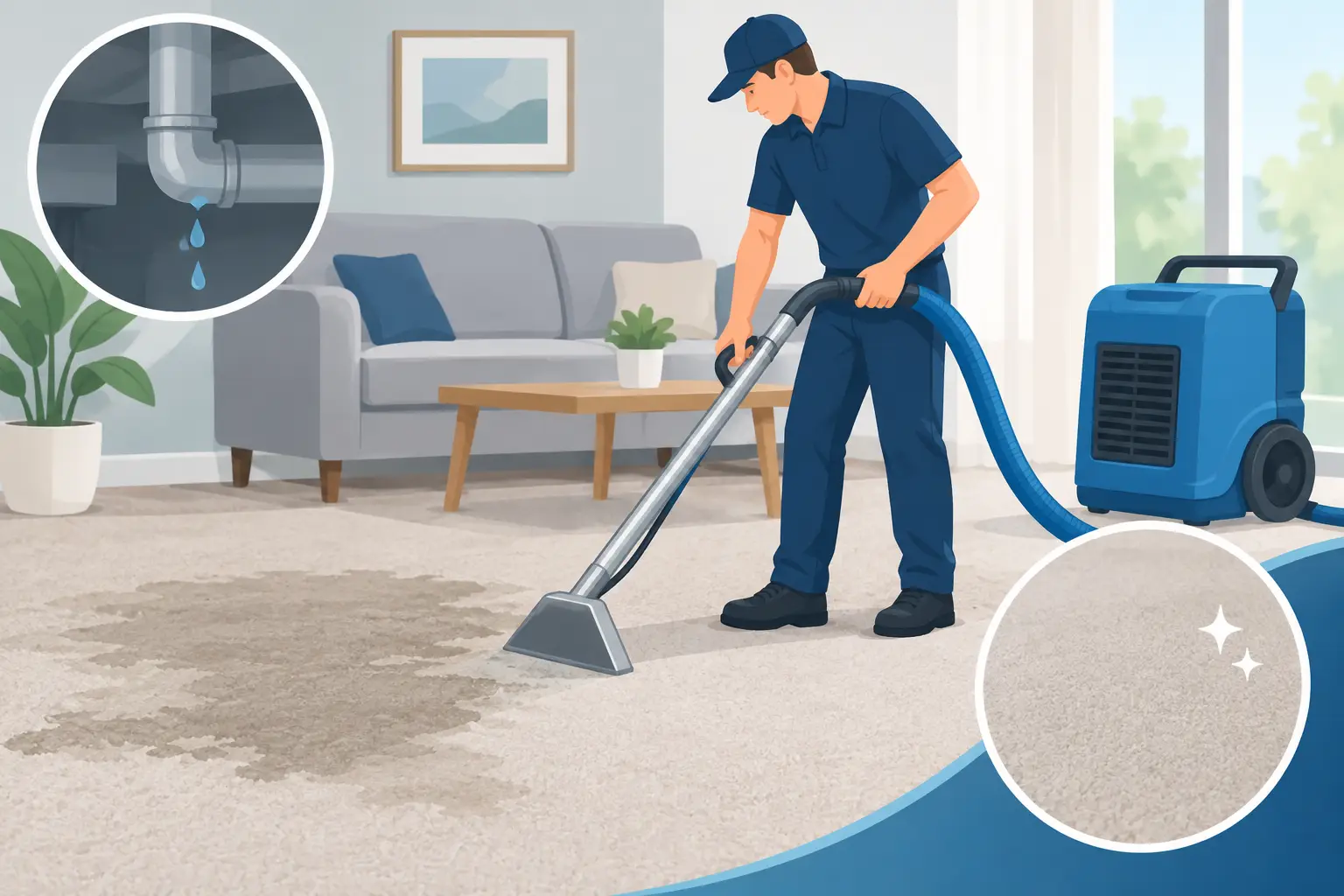






A musty smell that starts when the AC turns on is not something Dallas-Fort Worth homeowners should ignore, especially after a roof leak, plumbing issue, or period of high humidity. Air duct mold cleanup is not simply a matter of vacuuming dusty vents. When mold is present, the real job is finding the moisture that allowed it to grow, addressing the affected materials correctly, and helping prevent the problem from returning.
Mold concerns can feel urgent, and they should be taken seriously. At the same time, not every dark spot in a vent is mold, and not every stale odor means your entire duct system is contaminated. A careful inspection helps separate a maintenance issue from a moisture and restoration issue, so you can make a smart decision for your home and family.
What Causes Mold in Air Ducts?
Your ductwork is designed to move conditioned air, not collect moisture. Mold can develop when water or sustained humidity enters the system and finds dust or other organic material to feed on. In North Texas, that moisture may come from an oversized or poorly maintained HVAC system, a clogged condensate drain, insulation gaps around ducts, a roof leak, flood damage, or a plumbing leak near duct runs.
Condensation is another common factor. Cold supply ducts moving through a hot attic can sweat when insulation is damaged, compressed, or missing. If a duct has air leaks, humid attic air can also enter the system and create conditions that support growth.
Mold may be limited to a vent cover, a short section of duct, or insulation near an air handler. In more serious cases, it can affect multiple HVAC components and porous materials. That difference matters. A basic cleaning may be appropriate for ordinary dust buildup, while visible mold growth or water-damaged materials may require a more involved cleanup plan.
Signs You May Need Air Duct Mold Cleanup
A persistent mildew-like odor when heating or cooling starts is one of the most common warning signs. You may also notice dark, fuzzy, or speckled material around registers, on visible duct insulation, or near the indoor HVAC unit. Water stains around vents, recurring condensation, and a history of leaks are equally meaningful clues.
Some household members may report more irritation when they are at home or when the HVAC system is running. Those symptoms can have many causes, including pollen, pet dander, dust, and outdoor air conditions, so they do not prove mold on their own. Still, when symptoms occur alongside moisture problems or visible growth, it is reasonable to schedule a professional evaluation.
Do not rely on color alone. Mold can be black, green, white, gray, or nearly invisible. Dust, soot, and old adhesive can also look suspicious. The key questions are whether there is active moisture, whether there is actual growth, and how far the affected area extends.
Why the Moisture Source Must Be Fixed First
Cleaning without correcting the source of moisture is a short-term fix. If a condensate line continues to overflow or attic duct insulation remains wet, mold can return after the system is cleaned. That means more inconvenience, more expense, and continued concern about the air moving through your home.
A dependable service plan starts by identifying what created the damp conditions. Depending on the situation, that may involve HVAC maintenance, leak repair, replacing wet insulation, improving attic ventilation, sealing duct leaks, or correcting drainage around the home. The right solution depends on the cause, not just the location where mold is visible.
This is also why homeowners should be cautious of companies that promise to solve every mold concern with a quick spray inside the vents. Chemicals alone do not remove the underlying moisture problem. They may also leave residue in a system that distributes air throughout the home. Proper cleanup focuses on physical removal where appropriate, careful containment, and correcting the conditions that allowed growth.
What Professional Air Duct Mold Cleanup Should Include
The scope of work should match the condition of your duct system. Before work begins, a trained technician should inspect accessible HVAC components, visible ductwork, registers, the air handler area, and nearby insulation for evidence of moisture and contamination. You deserve a clear explanation of what was found, what needs attention now, and what may be a separate repair.
For a contained issue, the process may include protecting the work area, removing affected debris, cleaning appropriate nonporous surfaces, and using professional negative-pressure equipment to capture loosened particles. HVAC filters should also be evaluated and replaced when needed. If flexible ductwork, fiberglass-lined ducts, or insulation are wet or visibly contaminated, cleaning may not be enough. Porous materials can hold moisture and growth beneath the surface, making replacement the safer long-term option.
A professional should also inspect the evaporator coil, drain pan, condensate line, blower compartment, and other HVAC areas that can contribute to moisture. These components are not always part of a standard duct cleaning, but they are often relevant when mold is suspected.
At On Time Home Experts, homeowners can expect straightforward recommendations, professional technicians, and a focus on the conditions affecting their indoor air. The goal is not to sell unnecessary work. It is to help you understand the issue and address it correctly the first time.
When DIY Cleanup Is Not the Right Choice
Wiping a small amount of surface dust from a vent cover is one thing. Trying to clean mold from inside ductwork is another. Ducts are difficult to access, and disturbing growth without proper containment can spread particles into the living space or deeper into the HVAC system.
Avoid spraying bleach, fragrance products, or store-bought foggers into your vents. Bleach is not a reliable solution for porous duct materials, and strong products can create odors or residues that circulate through the home. Closing vents or running the AC harder will not solve a moisture issue either.
Professional help is especially appropriate when you can see suspected growth inside ducts, smell mildew throughout multiple rooms, have experienced flooding or a significant water leak, or find wet insulation near the HVAC system. It is also the better choice if someone in the home has respiratory sensitivities or if you are unsure whether the material is mold at all.
How to Protect Your Ducts After Cleanup
Prevention is usually less expensive than repeating a cleanup. Start with regular HVAC maintenance so condensate drains, coils, and drain pans can be checked before a small issue becomes a larger one. Replace filters on the schedule recommended for your system and household conditions. A home with pets, renovations, or high allergy concerns may need more frequent changes.
Keep indoor humidity under control. In many homes, a humidity level around 30% to 50% is a practical target, though the best setting can vary with the season and your HVAC equipment. If your home feels clammy, windows sweat, or the system struggles to remove moisture, ask an HVAC professional to evaluate the cause.
Attic insulation and duct sealing also matter in Texas homes. Well-insulated, properly sealed ducts are less likely to develop condensation and can help your system operate more efficiently. After a storm, plumbing leak, or roof repair, inspect nearby ceilings, vents, and attic areas promptly. Quick action after water intrusion can prevent a much larger cleanup later.
Get Clear Answers Before the Problem Spreads
A mold concern does not always mean your entire duct system needs replacement, but it does deserve more than a guess. Ask for an inspection, a clear description of the moisture source, and an honest explanation of whether cleaning, repair, or material replacement is appropriate. No hidden charges, no scare tactics, and no vague promises should be part of the process.
If your vents smell musty, your AC area shows signs of moisture, or you have recently dealt with a leak, addressing the issue early protects more than your HVAC system. It helps preserve the comfort, air quality, and peace of mind that make your home feel like home.