





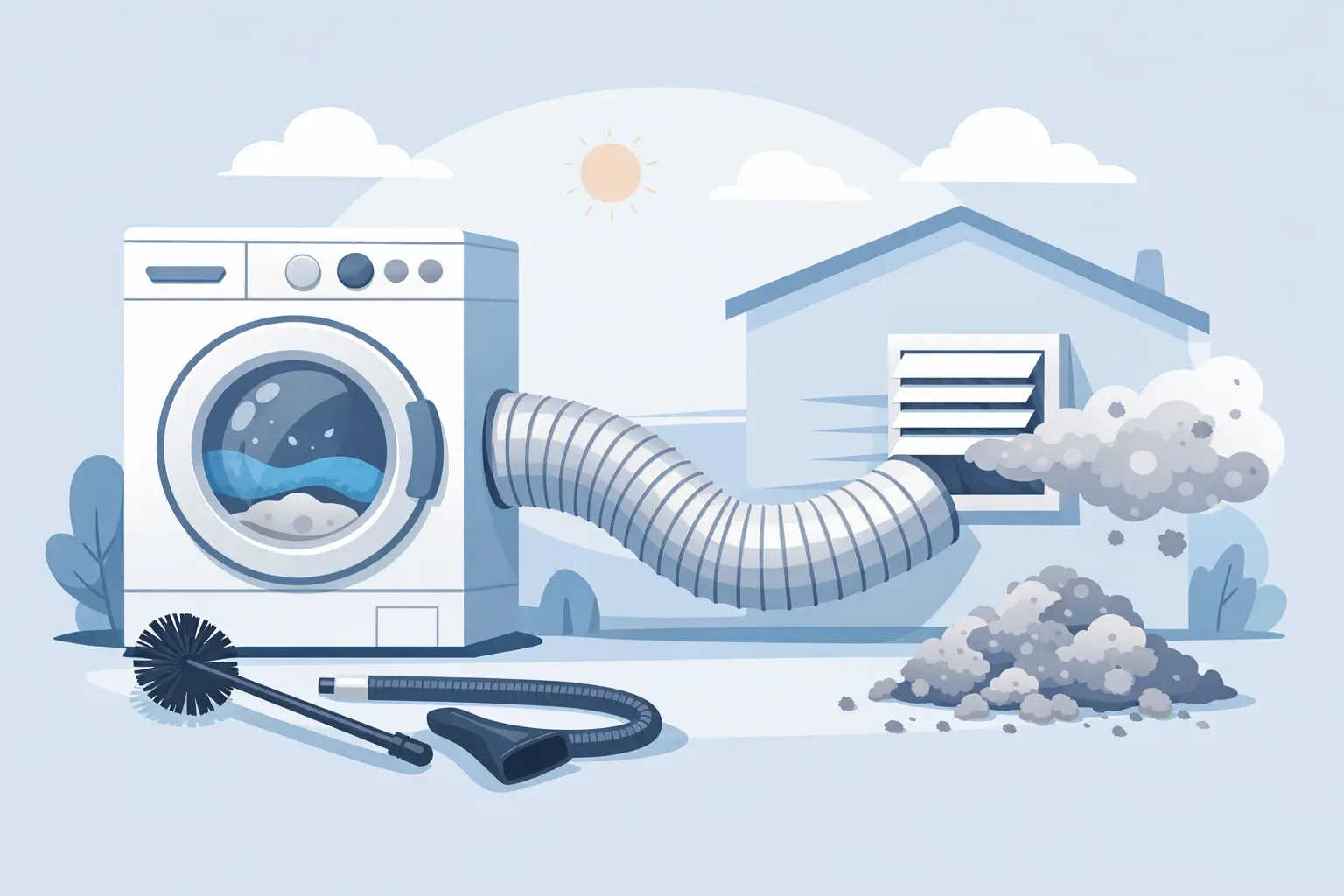
You usually notice a dryer vent problem after it has already started costing you time or putting your home at risk. Clothes take two or three cycles to dry, the laundry room feels hotter than usual, and the dryer seems to work harder every week. If you have been wondering when should dryer vents be cleaned, the short answer is this: before reduced airflow turns into a fire hazard, higher utility bills, or unnecessary wear on your appliance.
For most homes, professional dryer vent cleaning once a year is a smart baseline. But that is not a one-size-fits-all rule. The right schedule depends on how often you do laundry, the type of items you dry, the length of the vent run, and whether your home has pets, a large household, or a vent system with bends that collect lint faster.
When should dryer vents be cleaned in a typical home?
In many households, annual cleaning is enough to keep the vent system moving air properly. That schedule makes sense for families that use the dryer several times a week and have a standard vent setup with no major airflow problems. It is frequent enough to remove lint buildup before it becomes excessive, but not so frequent that you are paying for service you do not need.
That said, some homes need cleaning more often. If you do laundry daily, dry towels and bedding constantly, or have kids involved in sports, your dryer is handling more lint than average. Pet owners also tend to see faster buildup because hair and fibers collect quickly inside the vent line. In those cases, cleaning every 6 to 9 months may be the better choice.
On the other hand, a smaller household that uses the dryer lightly may be fine with service a little less often, provided there are no warning signs. The key is not just the calendar. It is how the system is performing.
Signs your dryer vent needs cleaning sooner
A clogged dryer vent rarely stays subtle for long. Most homeowners get some warning before the issue becomes serious.
One of the clearest signs is longer drying times. If a load that used to dry in one cycle now needs two, airflow is likely restricted. The dryer may still run, but it is not exhausting heat and moisture the way it should.
A hot dryer exterior or an unusually warm laundry room is another red flag. When heat cannot escape through the vent, it stays trapped in the appliance and surrounding area. You may also notice a burning smell, which should never be ignored.
Lint around the dryer connection, a vent hood flap that barely opens, or little to no air coming from the outdoor vent are also signs that the line may be blocked. Some homeowners even notice a musty smell on clothes because moisture is not venting out properly.
If your energy bills have been creeping up and the dryer seems to run longer than it used to, restricted venting may be part of the problem. A dryer that struggles to move air has to work harder, and that extra strain affects both efficiency and appliance life.
Why timing matters more than most homeowners think
Dryer vent cleaning is easy to delay because the system is mostly out of sight. But lint buildup is not just a housekeeping issue. It is a serious safety concern.
Dryers produce heat, and lint is highly flammable. When lint accumulates in the vent line, it reduces airflow and raises the temperature inside the system. That combination is exactly what makes clogged dryer vents so risky. Regular cleaning lowers the chance of overheating and helps protect your home and family.
There is also the cost side of the equation. A blocked vent forces your dryer to run longer, which uses more electricity or gas. Over time, that can add up. The appliance itself also takes more abuse, which can lead to repairs or early replacement. Keeping the vent clean is one of the simplest ways to support safer operation and better energy efficiency.
Homes that need more frequent dryer vent cleaning
Some vent systems are more likely to collect lint than others. If your dryer vent runs a long distance to the exterior wall, has multiple turns, or vents through the roof, buildup can happen faster. Every bend in the line creates another place for lint to settle.
Older homes can also have outdated vent materials that do not perform as well as newer rigid metal ducting. If the vent is crushed, sagging, or made from materials that trap lint easily, cleaning alone may not fully solve the issue. In those cases, inspection matters just as much as cleaning.
Large households often need a tighter maintenance schedule simply because the dryer is used so much. The same goes for rental properties, multigenerational homes, and busy families trying to keep up with constant laundry. If the dryer is part of your daily routine, the vent should be treated like a high-priority maintenance item, not an occasional afterthought.
When should dryer vents be cleaned after warning signs appear?
Immediately. Once you notice signs like overheating, poor drying performance, or a burning odor, it is time to stop waiting for a convenient moment. Those symptoms usually mean the vent is already restricted enough to affect safety and performance.
Some homeowners assume cleaning the lint trap is enough. It is necessary, but it is not the same thing as cleaning the full vent line. The lint screen catches only part of the debris created during drying. Fine lint still passes through and collects inside the ductwork over time.
If your dryer has shut off mid-cycle, your clothes come out unusually hot, or the room feels humid after a load, professional service is the safer move. Those are signs the system is not venting correctly, and the problem can escalate quickly.
Why professional cleaning is worth it
Dryer vent systems can look simple from the outside, but the full line often includes hidden sections, turns, wall penetrations, and exterior terminations that are not easy to inspect or clean properly without the right equipment. Store-bought tools may remove some lint near the opening, but they often miss deeper buildup or fail to address vent design issues.
Professional technicians can clean the full run more thoroughly and spot problems that homeowners may not notice, such as disconnected duct sections, crushed lines, bird nest blockages, or damaged vent covers. That matters because a vent that is technically clean but poorly installed or partially collapsed can still create serious airflow problems.
For homeowners who want fast, dependable service with no hidden charges, having the job handled by a trained team offers peace of mind. A proper cleaning is not just about removing lint. It is about making sure the whole venting system is working the way it should.
A simple way to stay ahead of the problem
The easiest approach is to pair dryer vent cleaning with your regular home maintenance schedule. If you already think about seasonal HVAC service, chimney cleaning, or gutter care during the year, dryer vent service belongs in that same category. It is not the most visible system in the house, but it directly affects safety, efficiency, and daily convenience.
A good rule is to schedule service once a year, then adjust based on your household’s actual usage. If warning signs show up before that point, do not wait. The vent is telling you it needs attention.
For many Texas homeowners, especially in busy family households, proactive service is the better deal than dealing with wasted energy, appliance strain, and preventable risk later. Companies like On Time Home Experts focus on this kind of practical maintenance because small problems inside hidden systems can turn into expensive ones when they are ignored.
Dryer vent cleaning does not have to be complicated. If your dryer is taking longer, running hotter, or simply gets heavy use week after week, that is reason enough to put it on the calendar. A clean vent helps your dryer work better, helps your home stay safer, and gives you one less hidden problem to worry about.