




A fireplace can look perfectly clean from the living room while its chimney flue holds a hidden buildup of soot, creosote, nesting material, or debris. So, is chimney cleaning really necessary? For homes that use a wood-burning fireplace, the answer is often yes – but the right timing depends on how often you burn, what you burn, and what a professional inspection finds.
Chimney cleaning is not cosmetic housekeeping. It is preventive maintenance for a system that carries hot smoke, gases, and particles out of your home. When that pathway becomes restricted or coated with flammable creosote, a relaxing fire can create a serious safety concern.
Why chimney cleaning matters
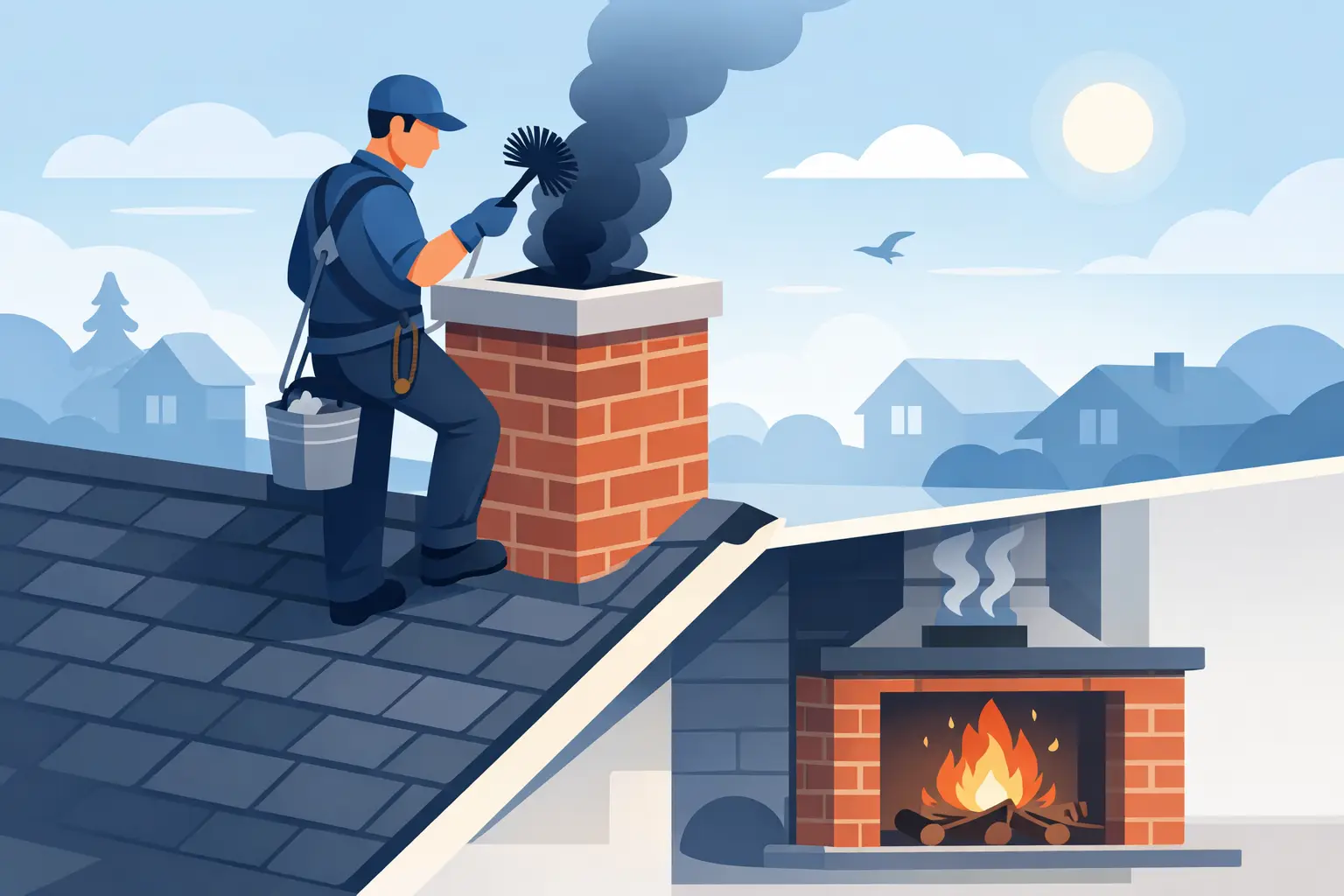
Each wood fire produces smoke. As that smoke cools while traveling up the chimney, it can leave behind soot and creosote on the flue walls. Creosote is a dark, sticky or crust-like residue created by burning wood. It is also combustible.
Small amounts of residue may be normal, but heavy accumulation changes the equation. A chimney fire can burn intensely inside the flue, where homeowners may not immediately see it. Even a fire that seems to go out on its own can damage the liner, masonry, chimney cap, or nearby building materials. Damage can then make future fires less predictable and allow heat or combustion gases to reach places they do not belong.
Cleaning also addresses blockages. Birds, squirrels, leaves, twigs, and deteriorating masonry can obstruct the flue, especially after a long Texas off-season. A blocked chimney may cause smoke to spill into the room or interfere with the safe venting of combustion gases. If your fireplace produces more smoke than usual, has a persistent odor, or seems to draft poorly, do not assume the issue will resolve itself with the next fire.
Is chimney cleaning really necessary every year?
Not every chimney needs a full cleaning every 12 months. A fireplace used only a few times a winter will generally build up less residue than one used every week. Gas fireplaces also produce far less soot and creosote than wood-burning systems, though their venting components, burner area, and chimney structure can still need inspection and maintenance.
The practical rule is to have the chimney inspected at least once a year and cleaned when the inspection shows it is needed. This gives a trained technician the chance to check for creosote, obstructions, liner damage, moisture issues, animal activity, and other conditions that are difficult to identify from the firebox alone.
For many Dallas-Fort Worth homeowners, scheduling service before cooler weather arrives is the most convenient approach. You are less likely to be waiting on an appointment when the first cold front makes the fireplace feel useful again. More importantly, you can use the system with greater confidence when the season begins.
What affects how quickly a chimney gets dirty?
Fireplace use is the biggest factor, but it is not the only one. The type and condition of firewood can make a major difference. Wet or unseasoned wood burns cooler and creates more smoke, which encourages creosote buildup. Burning treated lumber, painted wood, cardboard, trash, or other household materials can release harmful chemicals and leave heavy deposits. These materials do not belong in a residential fireplace.
How you operate the fireplace matters, too. Repeatedly burning low, smoldering fires can create more creosote than burning properly seasoned firewood with adequate airflow. Closing down the air supply too soon, using oversized logs, or having a drafting problem may contribute to incomplete combustion.
Chimney design and condition also play a role. A tall flue, exterior chimney, damaged cap, poor liner condition, or water intrusion can affect draft and residue buildup. This is why a cleaning appointment should not be treated as a quick sweep-and-leave task. The technician should evaluate the system, not just remove visible debris.
Signs you should schedule chimney service sooner
You do not need to wait for your annual inspection if something changes. A strong smoky or campfire-like odor when the fireplace is not in use can point to creosote or moisture interacting in the chimney. Smoke entering the room, black stains around the firebox, or a noticeable drop in draft also deserve prompt attention.
Other warning signs include bits of flue tile or masonry in the firebox, visible rust on the damper, animal sounds near the chimney, and a chimney cap that appears loose or damaged. If you have had a chimney fire, even a minor one, stop using the fireplace until it has been professionally inspected.
Carbon monoxide is another reason not to take venting issues lightly. This gas has no smell or color. A working carbon monoxide detector is essential in homes with fireplaces or fuel-burning appliances, but it is not a substitute for maintaining the chimney. Detectors provide an alert. Maintenance helps reduce the conditions that can create a dangerous problem in the first place.
Cleaning is different from inspection
Homeowners sometimes assume a chimney that does not need sweeping does not need service. That is not always true. Cleaning removes soot, creosote, and debris. Inspection evaluates the safety and condition of the chimney and fireplace components.
During a professional visit, the technician may look at the firebox, damper, smoke chamber, flue, chimney cap, and accessible exterior masonry. They are checking whether the system can vent as intended and whether there are signs of wear, blockage, moisture damage, or prior heat damage. If cleaning is needed, specialized equipment helps contain dust and remove buildup without turning your living room into a mess.
This distinction matters because some chimney problems have nothing to do with how clean the flue looks. A cracked liner, damaged crown, missing cap, or compromised damper can affect safe operation even when soot levels are low.
Can you clean a chimney yourself?
A homeowner can remove loose ash from a cooled firebox and keep the hearth area tidy. Beyond that, chimney cleaning is usually better left to trained professionals. The working area is confined, often overhead, and may contain fine soot, sharp debris, animal waste, or heavy creosote. Without the right tools, it is easy to miss buildup higher in the flue or create a dust problem inside the home.
DIY cleaning also does not replace an inspection. Brushing a chimney without understanding the liner type, flue configuration, or existing damage can cause more harm than good. If a chimney has a heavy glazed creosote layer, structural deterioration, or signs of a blockage, it needs an informed approach rather than a weekend project.
Professional service gives homeowners a clearer answer about what their system actually needs. It should include straightforward findings and recommendations, not pressure to pay for work that is not justified.
A cleaner chimney supports a safer, more comfortable home
The purpose of chimney cleaning is not to make you worry about every fire. It is to help you enjoy the fireplace without ignoring the parts of the system you cannot see. Proper maintenance can reduce fire risk, support better draft, limit smoke and odors indoors, and help protect the chimney from avoidable damage.
For a wood-burning fireplace, annual inspection is a sensible home-maintenance habit, with cleaning performed based on use and condition. For gas systems, regular inspection still matters because venting, components, and outdoor openings can develop problems over time.
If it has been more than a year since your chimney was checked, or your fireplace is showing any warning signs, schedule a professional inspection before lighting the next fire. A clean, properly evaluated chimney is one more way to protect the comfort and safety of the home you work hard to maintain.