




You vacuum, the room looks clean, and yet someone in the house still wakes up sneezing. That is often when homeowners start asking the right question: can dirty carpets cause allergies? In many homes, the answer is yes. Carpet fibers can trap dust, pollen, pet dander, and other irritants that do not always stay buried. Every step across the floor can send some of those particles back into the air, especially in busy households.
That does not mean carpet is automatically a problem or that every allergy issue starts at floor level. But if symptoms flare up indoors, seem worse in certain rooms, or improve after time away from home, your carpets deserve a closer look. For families in Dallas-Fort Worth, where seasonal pollen and dust are already part of life, carpet buildup can make an uncomfortable situation worse.
How dirty carpets affect indoor air
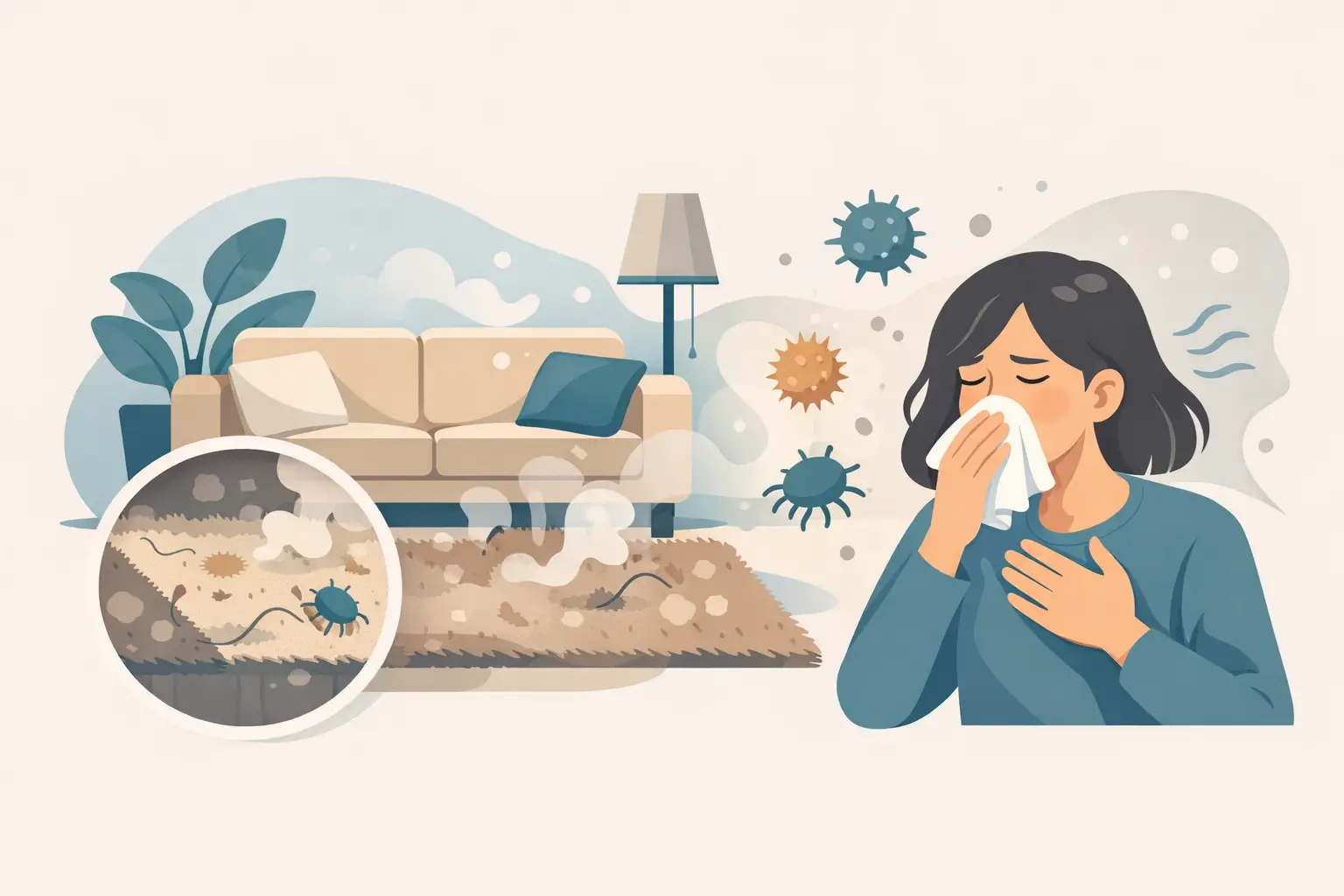
Carpet acts like a filter, but not in the way most homeowners want. It catches debris from shoes, pets, open windows, HVAC airflow, and everyday living. Over time, that includes common allergens such as dust mites, pollen, mold spores, and pet dander.
The issue is not just what settles into the carpet. The bigger problem is what gets stirred back up. Walking, kids playing on the floor, moving furniture, or even strong airflow from vents can disturb those particles. Once they are airborne, they can irritate the nose, eyes, throat, and lungs.
This is one reason a home can feel dusty or stale even after surface cleaning. If the carpet is holding months or years of buildup, regular traffic keeps reintroducing it into the breathing zone.
Can dirty carpets cause allergies in every home?
Not equally. It depends on the type of carpet, the age of the carpet, how often it is cleaned, who lives in the home, and what kinds of contaminants are getting tracked in.
A low-traffic guest room with newer carpet is different from a family room where pets nap, kids play, and people walk in from the yard every day. Homes with allergy-sensitive adults, young children, or anyone with asthma tend to notice carpet-related problems faster. If someone in the household already reacts to dust mites, pollen, or pet dander, a dirty carpet can become a steady source of exposure.
Humidity matters too. In parts of Texas, moisture can make carpets more likely to hold onto contaminants and, in some cases, support mold growth if there has been a spill, leak, or poor drying after cleaning.
What may be hiding in carpet fibers
Most homeowners think of visible dirt first, but the particles that affect allergies are often too small to see. Dust mites are a major concern because they thrive in soft surfaces and feed on tiny bits of skin cells. Their waste particles are a common indoor allergen.
Pollen is another frequent trigger. Even if you keep windows shut, pollen can come in on clothing, shoes, backpacks, and pets. During heavy allergy season, carpet can collect a surprising amount of it.
Pet dander settles deep into fibers and padding, especially in homes with cats and dogs. Even if the pet is groomed regularly, dander can keep accumulating. In some cases, a home can still trigger symptoms for visitors long after a pet is gone because the dander remains in the carpet and upholstery.
Then there is mold. Carpet itself does not create mold, but if it stays damp from a leak, flood, pet accident, or high indoor humidity, mold can develop in the fibers or underneath the carpet. That is when allergy symptoms may come with a musty smell or worsen in one particular area of the home.
Signs your carpet may be contributing to allergy symptoms
The pattern of symptoms usually tells you more than the carpet’s appearance. A carpet can look fairly clean and still hold plenty of irritants.
Watch for sneezing, itchy eyes, congestion, coughing, or throat irritation that gets worse at home and improves when you leave. Another clue is symptoms that spike after vacuuming, after kids play on the floor, or when furniture is moved around. If one room seems to trigger more discomfort than the rest of the house, flooring in that area may be part of the problem.
Persistent odors can also be a sign. A stale, dusty, or musty smell often points to buildup that goes beyond what routine vacuuming can remove.
Why vacuuming alone is not always enough
Vacuuming matters, and done regularly with a quality machine, it can reduce surface-level debris. But it has limits. Standard vacuums may not remove deeply embedded allergens, and some lower-quality units can actually release fine particles back into the air if filtration is poor.
This is especially true in older carpets, high-pile carpets, or homes with pets. The deeper material gets packed into the fibers and padding, the harder it is to remove with basic weekly cleaning.
There is also a technique issue. Quick passes over the carpet may pick up crumbs and visible dirt without doing much for finer dust and allergens. Homeowners are often busy, and carpet care tends to be one of those jobs that looks finished before it is actually thorough.
When professional carpet cleaning makes a difference
Professional cleaning helps when carpet has built-up soil, trapped allergens, pet residue, stains, or odor that household equipment cannot fully address. The goal is not just to make the carpet look better. It is to remove material that can affect air quality and comfort inside the home.
A proper deep cleaning can pull out debris from below the surface and leave the carpet in better condition than routine vacuuming alone. For households dealing with allergy symptoms, that can mean fewer irritants sitting underfoot and fewer particles being kicked back into the air.
That said, results depend on the condition of the carpet and the source of the problem. If the issue is mainly dust, dander, and tracked-in pollen, cleaning often helps. If the carpet has been water-damaged, has mold in the padding, or is extremely old and overloaded with contamination, replacement may be the more effective solution.
Carpet cleaning and allergies: what homeowners should know
One concern some homeowners have is whether carpet cleaning can temporarily stir up allergens. It can, especially during the process, which is why the method, equipment, and drying time matter. Carpets that stay damp too long can create new problems, not solve old ones.
That is why professional service is worth considering when indoor air quality is part of the concern. A trained team can evaluate the carpet’s condition, use the right process, and help reduce the risk of over-wetting or incomplete cleaning. For homeowners who want practical answers instead of guesswork, that matters.
In homes with broader air quality issues, carpet cleaning works best as part of a bigger plan. Dirty air ducts, clogged dryer vents, poor filtration, and attic dust can all contribute to what you breathe indoors. On Time Home Experts often sees these issues overlap because allergens do not stay in one place. They move through the home.
How often should carpets be cleaned if allergies are a concern?
There is no single schedule that fits every home. A household with pets, children, heavy foot traffic, or known allergy sensitivities usually needs more frequent carpet cleaning than a quieter home with hard flooring in most areas.
As a general rule, regular vacuuming should happen weekly, and high-traffic areas may need more attention. Professional deep cleaning is often a smart move at least once or twice a year for homes where allergy control is a priority. If there has been a spill, pet accident, water event, or a noticeable increase in symptoms, waiting for a yearly schedule may not be enough.
What else helps reduce allergens in carpeted rooms
Carpet cleaning works better when it is supported by good home maintenance. Shoes-off habits reduce what gets tracked inside. Changing HVAC filters on time helps control airborne particles. Managing indoor humidity can make the environment less friendly to dust mites and mold. If you have pets, frequent grooming and cleaning their favorite areas can lower dander buildup.
It also helps to pay attention to the rooms where symptoms are strongest. Sometimes the solution is not whole-house carpet cleaning right away. Sometimes it starts with one bedroom, one family room, or one hallway where buildup is heaviest.
If you have been asking can dirty carpets cause allergies, the better question might be whether your carpet is adding to the load your family already breathes every day. In many homes, it is. And once you know that, taking action is less about making the floor look nice and more about making the house feel healthier, fresher, and easier to live in.